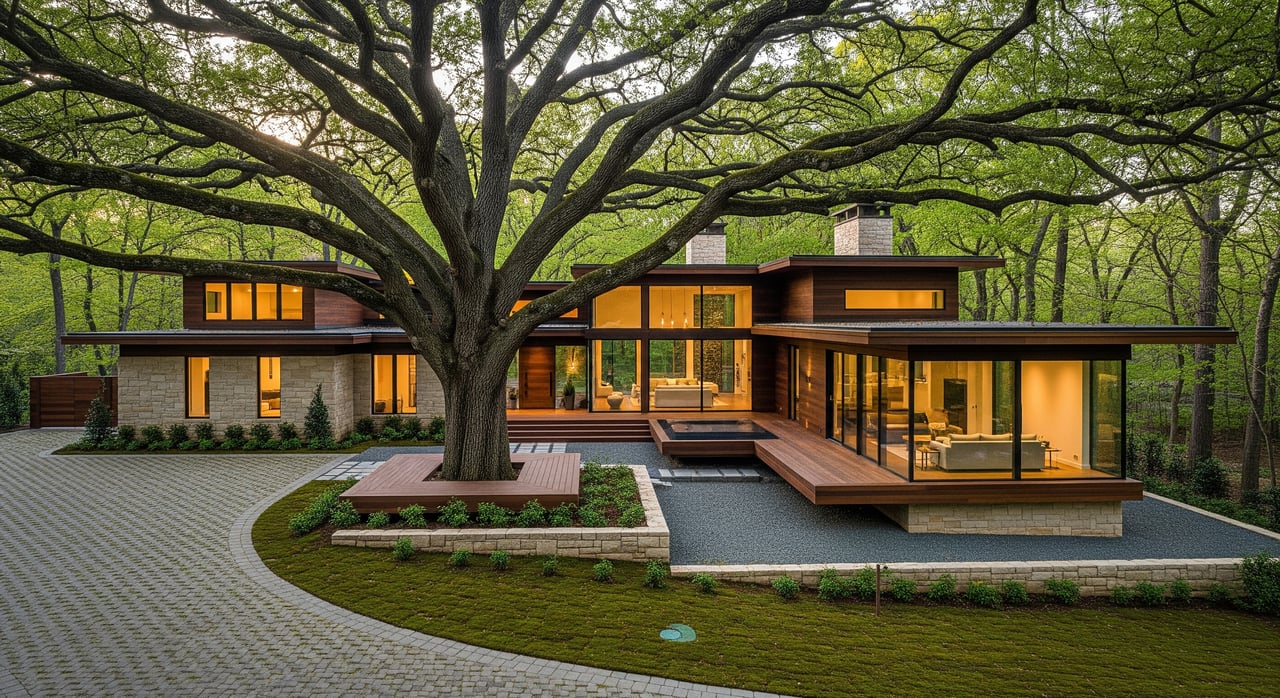
Smart Brookhaven Tree Ordinance Renovation Planning
October 16, 2025
October 16, 2025
Thinking about a renovation, addition, or new build in Brookhaven? The city’s tree ordinance can shape everything from your footprint to your driveway. You want to protect the canopy, avoid delays, and keep costs predictable. This guide shows you how the rules work and how to design around them so your project moves smoothly. Let’s dive in.
Brookhaven actively protects its urban canopy with a local tree ordinance and dedicated arborist staff. The city strengthened its rules with a major rewrite in 2021 and funds public planting through a Tree Fund. You can learn more about the policy approach on the city’s tree program pages and rewrite updates, including the city’s tree canopy preservation summary and ordinance rewrite announcement.
If a tree is 4 inches DBH or larger, you generally need a tree removal permit on private property. Apply through the City Project Portal and include photos plus a site plan or survey that shows removals and trees to remain. Owner-occupied single-family permits are processed with no fee, while commercial or investment properties typically pay a small fee. Check the city’s step-by-step instructions for details in the How to Apply for a Tree Removal Permit guide.
Brookhaven distinguishes owner-occupied residential permits from redevelopment activity. For many single-family scenarios, the ordinance references a limit of two non-specimen live trees per 18 months without additional mitigation, while still meeting density goals. Hazardous or dead trees still require documentation and review. For an easy overview, see the conservancy’s highlights of the 2021 changes, and confirm the current limit with the City at intake.
Compliance is based on minimum tree density or canopy targets calculated from DBH inches on site. The 2021 rewrite materials point to higher baseline targets in some contexts, such as 130 DBH inches per acre. Because thresholds vary by project type and have been amended over time, confirm the exact requirement with the City Arborist before finalizing plans. For definitions and formulas, review the ordinance markup in the Brookhaven Tree Ordinance document.
“Specimen” trees have special protection. If removal is approved, recompense is typically calculated as 1.5 times the DBH inches removed, with any on-site shortfall paid into the Tree Fund. City documents show a monetary rate of 240 dollars per DBH inch in the 2021 markup and a cap per acre on invoiced inches. Always verify current rates with staff before budgeting. You can also explore the city’s Tree Canopy Preservation resources for program context.
Walk the site early and tally DBH, species, and locations on your survey. Flag likely specimen trees and note canopy spreads. This helps you understand density status, plan around critical root zones, and assemble a complete permit packet. See submittal needs in the city’s permit application page.
Set a concept meeting before finalizing your layout. Early input can save redesigns and clarify protection zones, replacement inches, and whether payment to the Tree Fund may be needed. Start with the city’s tree canopy preservation contacts.
Align building footprints, driveways, and utilities to avoid critical root zones of healthy overstory and specimen trees. Preserving large trees can reduce required replacement inches and costs. The ordinance provides preservation credits; you can find definitions and credit rules in the ordinance markup.
Install robust tree protection fencing at the dripline or as required by your Tree Protection Plan. Keep equipment, materials, parking, grading, and trenching out of protected areas. If work must occur inside a critical root zone, get an arborist prescription and on-site monitoring. These measures reflect Brookhaven standards and best practices noted by arborist resources such as the OneBark Brookhaven summary.
Where you must build near significant roots, consider low-impact foundations like piers. Minimize grade changes over roots and use permeable paving with structural soil for driveways or paths near trees. For utilities, hand-dig or use directional boring when feasible. These strategies align with national guidance on protecting trees during construction, including ISA’s root protection recommendations.
When removals are unavoidable, use the city’s Arborist Standards for approved species, canopy credits, caliper sizes, and overstory-understory mix. If your site cannot fit all required inches, plan for off-site plantings or payment into the Tree Fund. Review the current Arborist Standards document before you buy trees.
Use an ISA-certified arborist or qualified landscape professional to prepare required plans and prescriptions. Keep photo records of conditions and fencing from pre-construction to final inspection. See submittal requirements in the permit application guide.
If a specimen tree must be removed, required replacement inches are typically calculated as 1.5 times the DBH inches removed. When inches cannot be planted on site, the balance is paid into the Tree Fund. City documents in the 2021 markup reflect a rate of 240 dollars per DBH inch and a cap per acre on invoiced inches. Confirm current rates and any caps with the City before you finalize costs. For formulas and definitions, review the Brookhaven Tree Ordinance document.
If you are selling, gather records of any past permits, tree work, or plantings, and note any preserved specimen trees on your disclosures. If you are buying, look at how existing trees could affect future additions, driveway changes, or pool locations. A quick pre-offer DBH tally and a sketch of likely root zones can help you plan realistic timelines and budgets under Brookhaven’s rules.
Ready to plan smart and stay compliant in Brookhaven? For local guidance that dovetails with your goals, connect with Ginger Pressley for neighborhood-savvy representation.
Stay up to date on the latest real estate trends.
For anyone looking to dip their toe into the real estate market, broaden their asset portfolio, or build wealth in real estate, reach out to Ginger to start your journey.