Decatur vs Avondale Estates Homes: How to Decide
March 5, 2026
March 5, 2026
Trying to choose between Decatur and Avondale Estates? You’re not alone. Both offer intown convenience, neighborhood charm, and strong resale appeal, but the day-to-day feel is different. In this guide, you’ll compare walkability, housing types, price ranges, parks, dining, and commute so you can buy with confidence. Let’s dive in.
If you want the largest, most walkable dining and retail core with direct rail in the center of town, Decatur is the stronger fit. If you prefer a quieter, small-city identity with a Tudor-style village and a growing Town Green, Avondale Estates delivers that vibe with fewer continuous retail blocks. The Walk Score for central Decatur is high, reflecting daily-errand convenience near the Square, while Avondale Estates reads more “somewhat walkable” overall with a compact, curated downtown core. For many buyers, the choice comes down to how much you value a big, busy hub versus a small, charming village feel.
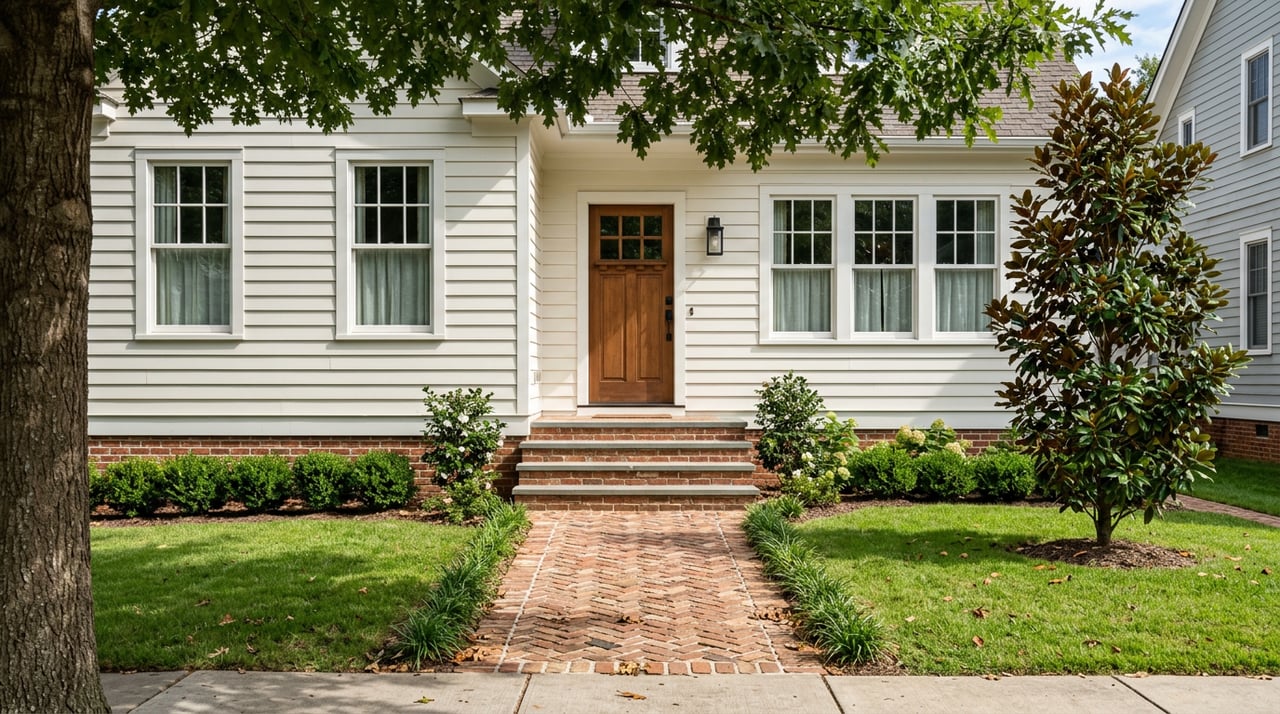
Avondale Estates was planned as a garden suburb with a distinctive Tudor-revival commercial core and a high share of single-family homes. You’ll find historic bungalows, Tudor-influenced residences, and pockets of newer townhomes near the Town Green. The city emphasizes preservation and has celebrated restoration of period properties. Public plans anticipate more mixed-use and townhome infill immediately adjacent to downtown’s green.
Decatur is larger and historic at its core, with many Craftsman bungalows, some Victorian-era homes, mid-century ranches, and active renovation and infill. Multiple local historic districts bring design review and protect neighborhood character around the Square. The housing mix runs from modest starter homes to high-end historic streets near Winnona Park, Oakhurst, and other established areas.
Because Avondale Estates is a small market, different data vendors often show different medians. As of recent snapshots, Realtor.com reported a median listing metric near $425,000 in Dec 2025 for Avondale Estates, while other vendors showed higher medians in some months. A practical working band is roughly $400k to $650k, with higher-end single-family sales also recorded. Decatur’s broader market produced a median sale price near $535,000 in Jan 2026 on Redfin, but the city spans a wide range by neighborhood and lot size. Always verify with MLS sold comps within 6 to 12 months.
Links for context:
Decatur’s Square offers a contiguous pedestrian experience, with the rail station right in the center and dense, street-level activity. The Walk Score for central Decatur often lands in the high 80s to 90s for the core, which translates to daily errands, dining, and services within a short walk for residents near downtown. Avondale Estates has a compact Tudor-style downtown with a new Town Green. The immediate core feels very walkable, but outside the core you’ll rely more on quick drives or bikes for errands.
Decatur is a long-established dining hub with a wide variety of restaurants, bars, and coffee shops clustered around the Square. Eater’s Decatur dining guide treats the area as a multi-stop food crawl, which matches what you’ll feel on a Friday night. Avondale Estates offers a smaller, curated set of neighborhood favorites, like Stratford Pub, plus local events at the Town Green. Planned commercial buildings around the Green are intended to add more restaurants and outdoor dining over time.
Avondale Estates centers daily life around Lake Avondale, pocket parks, and the Town Green. The city’s downtown strategy highlights the Green as a focal point for events and new retail frontage. Decatur and the surrounding area offer more cumulative access to multi-use paths and bike links, including regional PATH and trail connections that make short, car-light trips possible in some corridors. In short, Avondale brings intimate neighborhood parks, while Decatur offers broader trail reach within a quick ride or drive.
Decatur’s downtown has walk-to-rail convenience for homes near the Square on the Blue Line. Many Avondale Estates addresses are a short walk or drive to Avondale or Kensington stations on the same line. If you need doorstep rail access, Decatur’s core has the edge. If a 0.5 to 1-mile trip to the platform is fine, Avondale works well. Review the MARTA Blue Line map to confirm your specific address-to-station plan.
Both areas sit near key east-west corridors and are reasonably positioned for I-285, I-20, and Ponce de Leon/US-78. Actual drive times vary by time of day and destination. The U.S. Census 5-year estimate lists Decatur’s mean travel time to work at about 26 minutes, which offers a useful baseline for intown DeKalb expectations. For biking, verify route continuity and safe crossings for your exact commute, especially if you want daily, car-light travel.
Avondale Estates is predominantly single-family, with a small-town feel and varying lot widths and setbacks. Local civic discussions highlight active infill proposals and narrower-lot construction in certain blocks. Decatur varies more widely street to street, from compact lots near downtown to deeper parcels closer to Emory and beyond. Before you write an offer, pull parcel details from county GIS or the listing history, and confirm yard size, setbacks, and any overlay or historic-district guidelines that may impact future changes.
Use this quick checklist to steer your search. Mark each as Must-have, Nice-to-have, or Not important.
If you want a calm, small-city village close to everything, Avondale Estates is a standout. If you want the biggest walkable core with one-seat rail, Decatur’s center is hard to beat. The right answer is the one that fits your daily life. For tailored comps, on-the-ground insight, and a focused tour plan, connect with Ginger Pressley.
Stay up to date on the latest real estate trends.


For anyone looking to dip their toe into the real estate market, broaden their asset portfolio, or build wealth in real estate, reach out to Ginger to start your journey.