West Midtown Atlanta Loft Living: Style, Space & Lifestyle
May 28, 2026
May 28, 2026
If you love the idea of a home with character, volume, and a strong sense of place, West Midtown loft living probably already has your attention. This part of Atlanta offers a mix of industrial history, newer loft-style design, and daily convenience that can feel very different from a traditional condo or suburban home. If you are trying to decide whether that lifestyle fits the way you actually live, this guide will walk you through what loft living means in West Midtown, what to expect inside, and how the neighborhood shapes your day-to-day experience. Let’s dive in.
West Midtown is closely tied to Atlanta’s rail and distribution history, and that legacy still shows up in the built environment today. City planning materials describe the broader Upper Westside as a mix of galleries, studios, niche retail, restaurants, industry, offices, historic buildings, and both traditional and loft housing. In other words, this is a place where older industrial spaces and newer development exist side by side.
That matters when you are shopping for a loft, because in West Midtown, the word loft can mean more than one thing. According to Atlanta planning documents, loft apartment buildings may be adaptive reuse of older warehouse or manufacturing buildings, or new construction designed to capture that same industrial feel. So when you tour properties here, you may see both true conversions and newer buildings inspired by them.
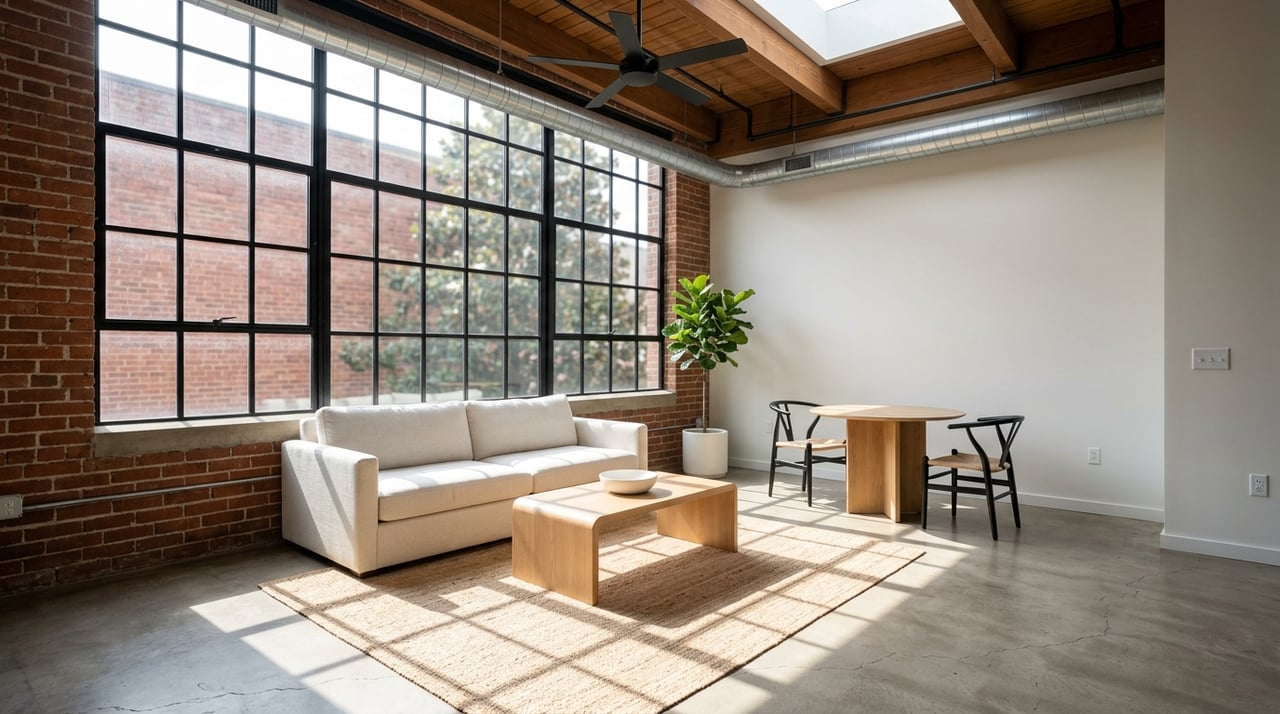
A hard loft is usually the closest match to what many buyers picture first. These homes often have high ceilings, commercial-style windows, and a more minimally finished look that reflects the building’s industrial roots. The appeal is often in the raw character and strong architectural identity.
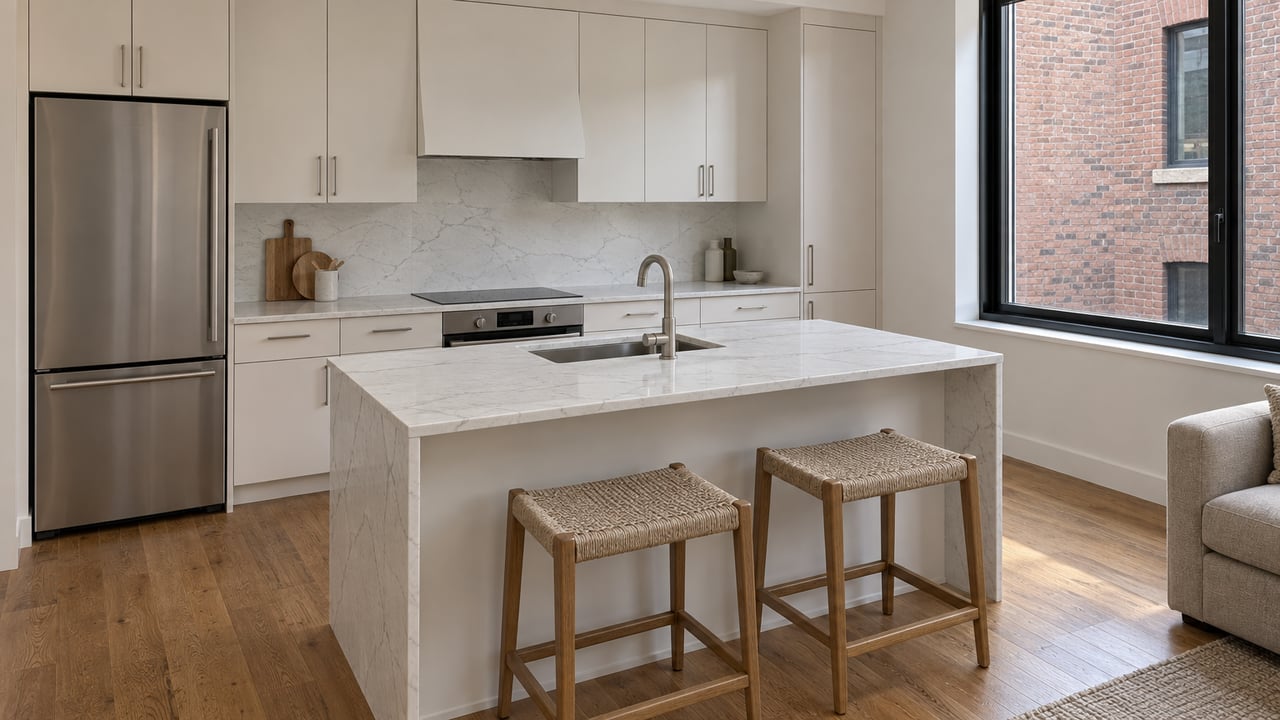
A soft loft usually offers a more polished, fully finished interior while still borrowing industrial details like brick walls or iron railings. For many buyers, that can mean getting the loft look with a more conventional residential feel. In West Midtown, both styles help define the local housing mix.
One of the biggest draws of loft living is space that feels open and flexible. Common loft features in this part of Atlanta include open floor plans, high ceilings, large windows, visible structural elements, and fewer interior partitions. That combination can make a home feel bright, airy, and easy to personalize.
For daily life, that openness can be a real advantage. You may have more freedom to arrange furniture, create a work-from-home area, or host friends without feeling boxed into small rooms. If you enjoy design, lofts also give you room to highlight art, statement lighting, or large-scale furniture.
At the same time, open layouts can ask a little more from you. Because lofts often have fewer enclosed rooms, sound may carry more easily than it would in a more compartmentalized condo. Storage planning can also become more important, since some loft-style homes give more square footage to open living volume than to closets.
In a traditional floor plan, rooms do a lot of the organizing for you. In a loft, you often create those zones yourself. That means your dining area, office nook, sleeping space, and living area may all need to work together visually and functionally.
For some buyers, that flexibility is the whole point. For others, it helps to think through practical questions before you buy, like where larger storage pieces will go, how you will define your workspace, and whether the level of openness fits your routine.
West Midtown loft living is best understood as a spectrum rather than a single product type. Some homes are true warehouse conversions with stronger industrial character. Others are industrial-inspired new builds, and some are part of amenity-rich mixed-use communities.
That range is part of what makes the area appealing. You can find homes that lean more historic and textural, or homes that deliver a loft-style look within a newer construction setting. Westside Provisions, for example, describes its residences as a blend of urban renewal and new construction, which reflects how newer communities in the area borrow industrial design cues without being literal conversions.
Style gets attention, but the everyday details often shape whether a loft really works for you. In West Midtown, a few practical factors stand out.
Parking can feel different here than it does in more suburban settings. At Westside Provisions District, parking includes surface lots and a deck, along with up to two hours of complimentary self-parking, valet on both sides of the property, and a parking membership option. That is useful context for how this district handles traffic and access in a busy mixed-use environment.
If you are considering a loft nearby, parking is worth asking about early. You will want to understand how resident parking works, whether guest parking is simple or limited, and how your building’s setup fits your routine.
Storage is another important topic in loft-style homes. Because open layouts often prioritize volume and flexibility, closet space may not feel as abundant as it does in a more traditional floor plan. That does not make loft living less appealing, but it does mean you may want to think intentionally about shelving, furniture with hidden storage, or nearby off-site options.
In the district, Westside Provisions includes Stuf Storage, described in the directory as 7,000 square feet of storage space with 24/7 operating hours. For buyers who need extra room for seasonal items, business inventory, or overflow belongings, that kind of nearby option may matter.
Lofts are often loved for their scale and openness, but those same features can influence how sound moves through a home. High ceilings, commercial windows, and minimal partitions can make a space feel larger, while also making sound feel less contained. That is not a guarantee at every property, but it is a reasonable consideration tied to the loft building type.
When you tour a loft, it helps to pay attention to windows, wall placement, ceiling height, and the overall feel of the building. The right fit often comes down to how much you value openness versus separation.
A loft in West Midtown is not just about the unit itself. The surrounding district plays a big role in the experience, especially if you want easy access to dining, shopping, and recreation.
Westside Provisions District is one of the area’s most recognized mixed-use destinations, with boutique retail and dining in a setting that still reflects the neighborhood’s industrial past. Current restaurant options listed by the district include Marcel, Little Sparrow, Forza Storico, Bar Blanc, Barrel Proof, Ormsby’s, and Paya Thai. That kind of concentration can make it easier to build everyday routines around places that are close by.
The district also embraces local history. Its FAQ notes that the historic heart of the property was once Atlanta’s first modern meatpacking facility. That blend of adaptive reuse and current-day activity helps explain why so many buyers are drawn to the area’s texture and identity.
Nearby, Star Metals District describes itself as part of West Midtown’s arts and entertainment area, organized around dining, wellness, residences, offices, events, and leasing. Together, places like these reinforce West Midtown’s mixed-use feel and make the neighborhood experience more than just residential.
For many buyers, one of West Midtown’s strongest lifestyle advantages is how easily city living connects to outdoor space. The Westside Trail now offers 6.7 continuous miles from University Avenue to Huff Road. The Westside Beltline Connector adds 1.7 miles from downtown to historic westside communities.
PATH Parkway also connects West Midtown to Georgia Tech, the Coca-Cola complex, and Downtown. That broader network can support a more active routine, whether you want to bike, walk, or simply have more options for moving through the city without always relying on a car.
Westside Park is another major asset. It is Atlanta’s largest greenspace and includes trails, a reservoir, meadows, sculptures, pavilions, playgrounds, and skyline views. If you want your home search to balance urban energy with access to open space, this part of Atlanta offers a compelling mix.
Loft living in West Midtown can be a strong fit if you value character, design, and neighborhood energy. You may be especially drawn to it if you want an open interior, enjoy mixed-use surroundings, and like the idea of being near restaurants, retail, and trail access.
It may also suit buyers who are comfortable trading some traditional compartmentalization for style and flexibility. If you are someone who wants clearly separated rooms, substantial built-in storage, or a more conventional residential setup, it is worth comparing lofts carefully with other condos and townhomes in the area.
The key is not whether lofts are universally better. It is whether this style of living matches how you want to move through your day, use your space, and connect to the neighborhood around you.
If you are considering a loft in West Midtown, keep your search focused on both architecture and function. A beautiful space still needs to support your real routine.
As you tour properties, consider:
That kind of practical checklist can help you look past the first impression and decide which spaces truly fit your lifestyle.
If you are weighing lofts against other options in Intown Atlanta, having neighborhood-specific guidance can save you time. The right home is not just about square footage or finishes. It is about finding the combination of location, layout, and daily convenience that feels right for you.
If you want expert help comparing West Midtown lofts with other Intown Atlanta options, Ginger Pressley offers hands-on, neighborhood-savvy guidance with clear communication every step of the way.
Stay up to date on the latest real estate trends.


For anyone looking to dip their toe into the real estate market, broaden their asset portfolio, or build wealth in real estate, reach out to Ginger to start your journey.