Making Sense Of Virginia-Highland’s Evolving Home Market
July 2, 2026
July 2, 2026
Thinking about buying or selling in Virginia-Highland right now? You are not alone if the market feels a little hard to pin down. Between shifting price points, different property types, and public data that does not always match, it helps to look beyond one headline number. This guide will help you understand what is really shaping Virginia-Highland’s home market, what buyers should watch, and how sellers can position a home more effectively. Let’s dive in.
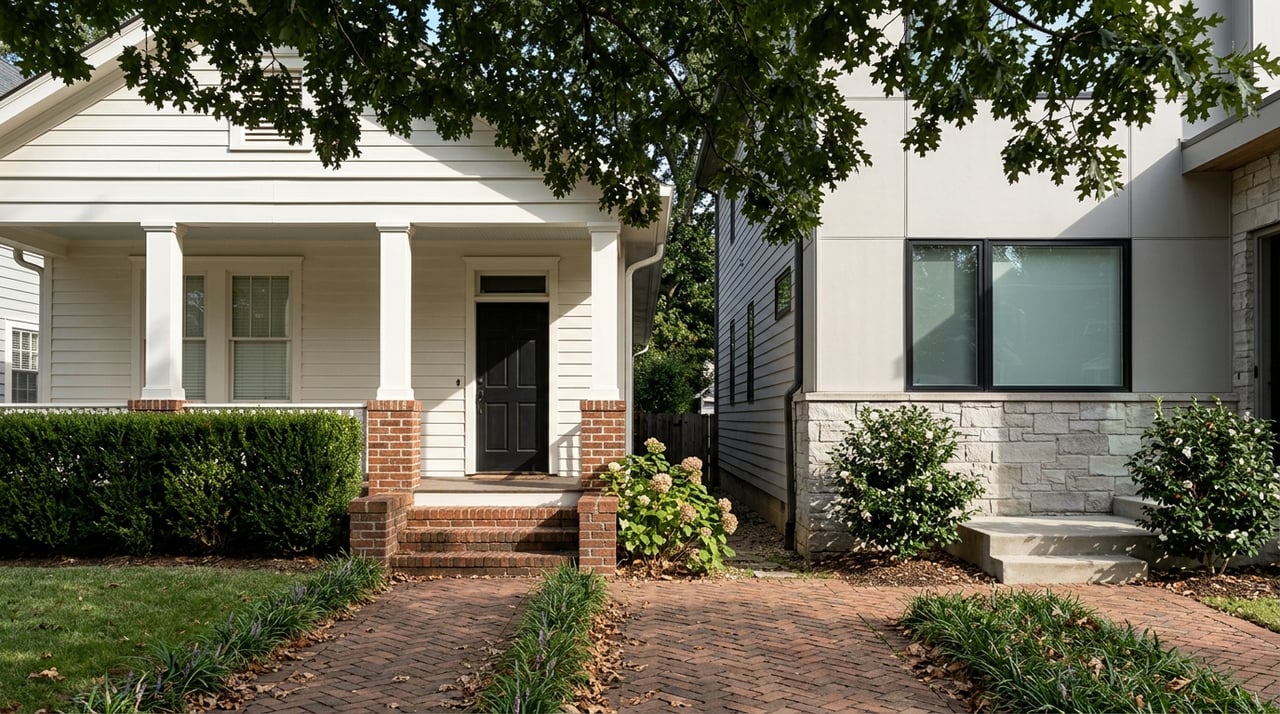
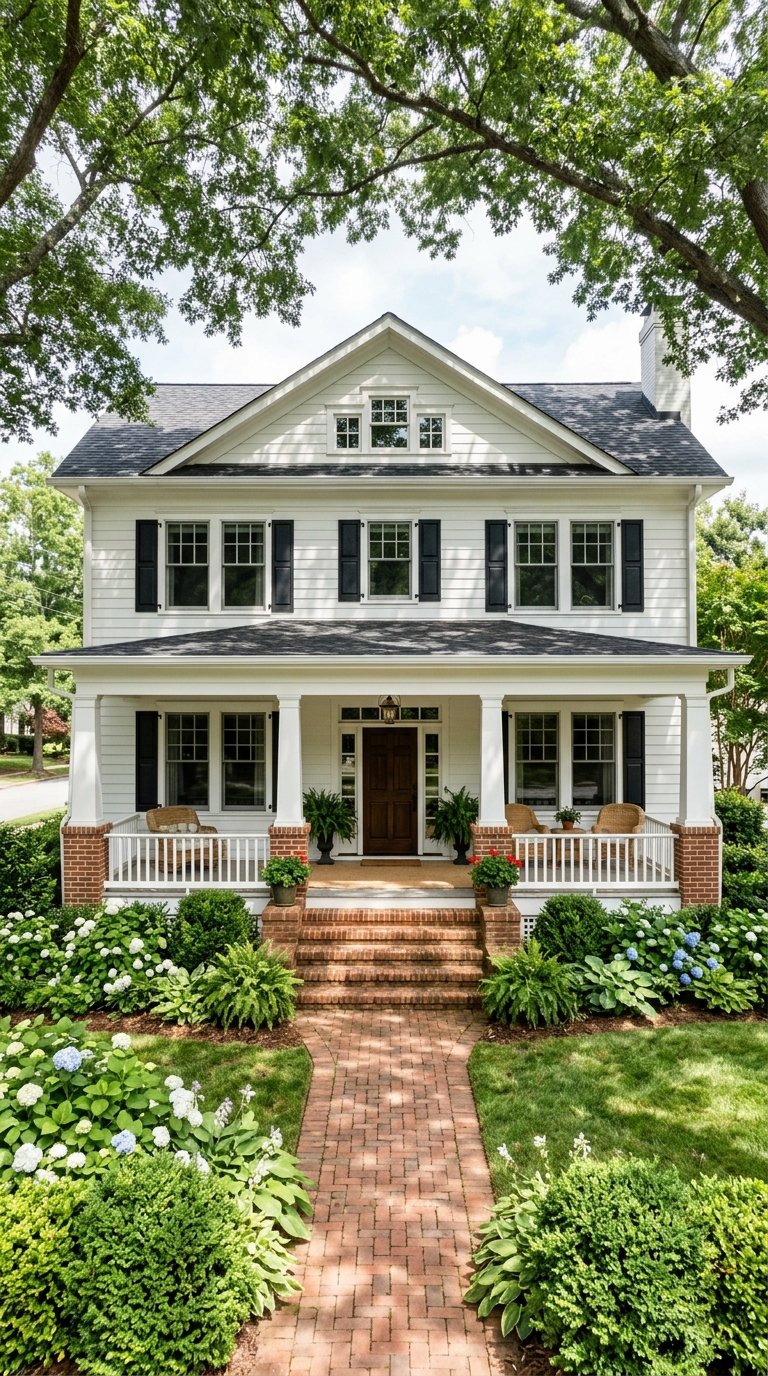
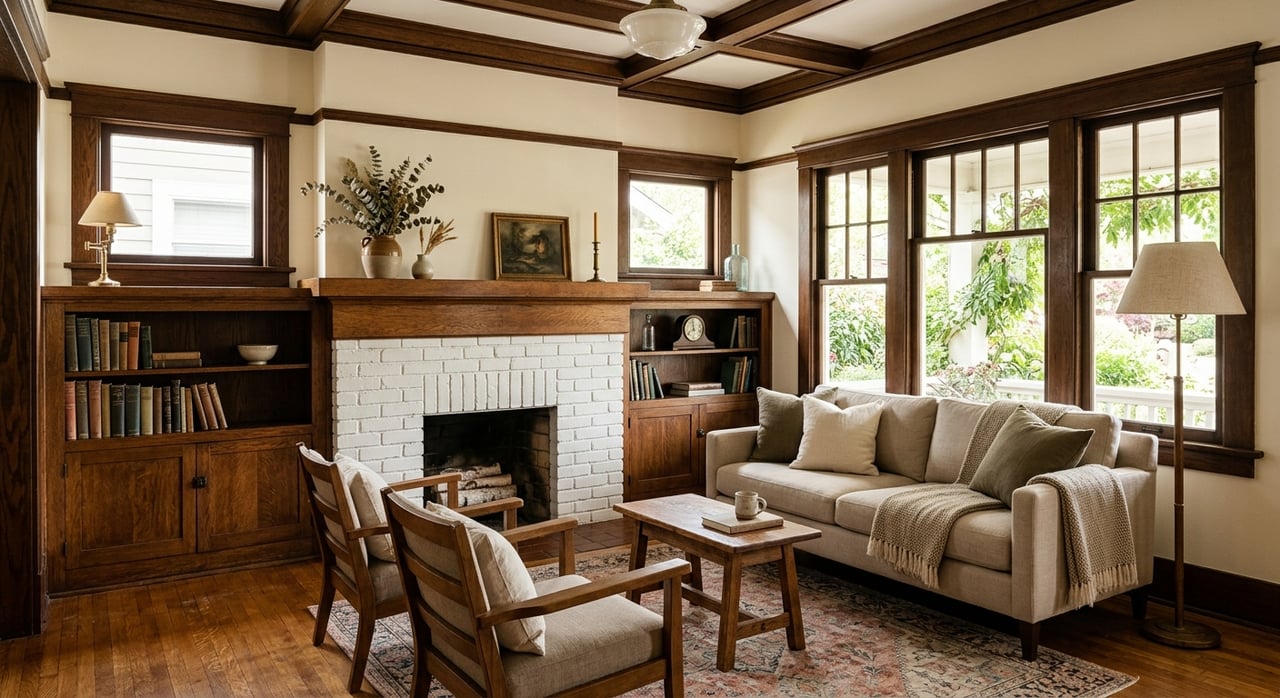
Virginia-Highland is one of Atlanta’s intown neighborhoods in NPU F, and its housing stock gives the area a very specific market personality. The neighborhood is known for older homes, with many bungalows, cottages, and Foursquares built between 1905 and 1936.
That older housing mix matters because value here is rarely just about size. In Virginia-Highland, buyers often weigh architectural character, renovation quality, lot usability, parking, and proximity to the North Highland commercial core alongside square footage.
The Virginia Highland District also includes a 1.4-mile stretch of North Highland Avenue known for restaurants, shops, bars, and fitness and wellness businesses. For many buyers, that walkable setting is part of the appeal, which can influence demand from one block to the next.
If you have looked at public real estate sites, you may have noticed that the numbers do not line up perfectly. That is normal in a neighborhood like Virginia-Highland, where housing types and price tiers vary quite a bit.
Redfin reports a median sale price of $722,257 for the three months ending May 2026, with 19 days on market and 33 homes sold. Zillow shows an average home value of $973,941, with 42 homes for sale and 13 new listings as of May 31, 2026.
Those figures are different enough that it is smarter to use them as directional signals instead of treating any one source as the full story. The bigger takeaway is that this is not a one-size-fits-all market.
One of the clearest patterns in the current market is that supply changes depending on what you are shopping for. Homes by Marco reports 3.8 months of inventory overall, but the split is much more telling: 1.9 months for houses and 7.1 months for condos.
That suggests single-family homes are still relatively tight, while condos are looser. When you blend those segments together, the neighborhood can look closer to balanced overall, even though the experience for a bungalow buyer may feel very different from the experience for a condo buyer.
For both buyers and sellers, this is why broad neighborhood averages can be misleading. The right comparison set usually starts with property type first.
Virginia-Highland bungalows remain a major part of the neighborhood’s identity, but they do not all trade at the same price level. Recent sales show that condition, parking, and location within the neighborhood can make a meaningful difference.
A recent example is 1012 Bellevue Dr NE, which sold on March 12, 2026 for $1,175,000. It was described as a 1930s brick bungalow with 2 bedrooms, 2 baths, 1,695 square feet, a front porch, alley-access parking, and a detached garage.
That same category includes lower price points as well. 916 Virginia Cir NE sold in November 2025 for $820,000, and 1168 Saint Louis Pl NE is listed at $890,000 with 2 bedrooms, 2 baths, 1,423 square feet, and a one-car garage.
The lesson is simple: a bungalow in Virginia-Highland is not priced by style alone. Updates, usable outdoor space, parking, and street position can push one home into a very different value range than another.
Tudor-style homes continue to attract buyers who want original character without giving up day-to-day function. In this segment, preserved details and smart updates often work together to support pricing.
One recent example is 1012 Kentucky Ave NE, which sold on April 16, 2026 for $1,510,000. The home had 5 bedrooms, 3 baths, 2,880 square feet, and was described as a renovated Tudor with an arched screened porch, an original decorative fireplace, and a butler’s pantry.
That kind of sale highlights a common pattern in Virginia-Highland. Buyers are often willing to pay more for homes that keep period charm while also offering modern livability.
Newer infill and new construction are part of the Virginia-Highland story too, but they are not competing directly with most older homes. They tend to sit in a different price tier and appeal to a different buyer expectation.
A clear example is 849 Highland Ter NE, a 2026 new-construction single-family home that was pending at $3,395,000 in late June 2026. It includes 5 bedrooms, 5.5 baths, 4,967 square feet, and had been on the market for 155 days.
Realtor.com also shows a cluster of new-construction listings in the mid-$2 millions to low-$3 millions in the neighborhood. That tells you these homes are generally competing with other luxury new builds, newer systems, larger layouts, and more extensive amenities rather than with a standard renovated bungalow.
If you are buying in Virginia-Highland, the smartest move is to compare like with like. A renovated bungalow, a larger Tudor, a condo, and a new construction home may all sit within the same neighborhood boundaries, but they often follow different pricing logic.
Start by narrowing your search based on the home style and features that matter most to you. In this neighborhood, parking and lot utility are especially important because they can affect both convenience and resale value.
For example, the sold bungalow at 1012 Bellevue Dr NE included alley access and a detached garage, while the newer home at 849 Highland Ter NE includes an oversized two-car garage, a pool, and multiple outdoor entertaining areas. Features like these help explain why two homes with nearby addresses can still land at very different prices.
If you are selling in Virginia-Highland, pricing against generic neighborhood averages can lead you off track. Public data varies across sources, and broad averages do not always reflect what buyers are actually comparing when they decide between homes.
A stronger approach is to position your home against truly similar properties. That means looking at recent sales and active competition by style, level of renovation, parking, lot function, and overall presentation.
For a seller with a bungalow, that might mean studying other renovated bungalows rather than blending your pricing strategy with condos or luxury infill. For a seller with a high-end new build, the right competitive set likely lives in the neighborhood’s newer luxury inventory, not in the historic housing stock.
Virginia-Highland can feel confusing because several submarkets are moving at once. Character homes with strong updates may still attract quick interest, condos may face more competition, and luxury new builds may take longer because they serve a narrower buyer pool.
That is why one headline stat rarely tells the full story. The market is evolving, but it is doing so differently depending on what kind of home you own or hope to buy.
For buyers, that means sharper comparisons and clearer priorities. For sellers, it means better pricing discipline and a marketing plan that tells the right story about the home.
If you want help sorting out how your specific home or search fits into Virginia-Highland’s current market, working with a neighborhood-focused agent can make the process much clearer. For tailored guidance on buying or selling in Intown Atlanta, connect with Ginger Pressley.
Stay up to date on the latest real estate trends.
For anyone looking to dip their toe into the real estate market, broaden their asset portfolio, or build wealth in real estate, reach out to Ginger to start your journey.