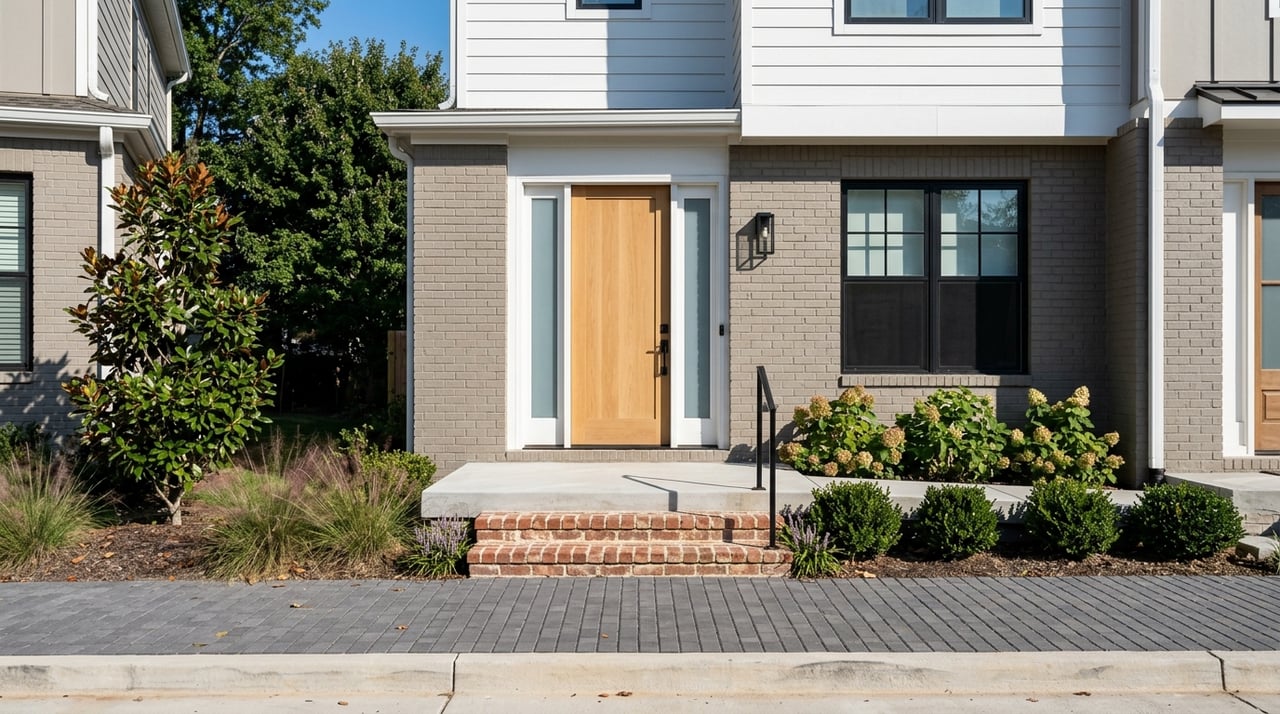
Navigating New Construction Townhomes In West Midtown
June 25, 2026
June 25, 2026
Thinking about a brand-new townhome in West Midtown? It is easy to get swept up by rooftop terraces, sleek finishes, and walkable mixed-use spots, but new construction works differently than a resale home. If you want to buy smart, you need to understand how location labels, contracts, timelines, inspections, and warranties really work in this part of Atlanta. Let’s dive in.
In this area, you will often see West Midtown and Upper Westside used almost interchangeably in marketing. That can be confusing, especially when you are comparing communities, HOA rules, and access to nearby retail or greenspace.
The Upper Westside is a formal City of Atlanta Community Improvement District created in 2016 to improve transportation, connectivity, safety, and greenspace. At the same time, builders and mixed-use projects may use either label for nearby infill communities, so it is important to confirm the exact lot, recorded plat, and HOA or association boundaries instead of relying only on the neighborhood name.
That matters because lifestyle is a major draw here. Projects in and around this part of Atlanta often highlight walkability, dining, retail, and greenspace access, which can shape both your daily routine and the long-term appeal of the home.
West Midtown townhomes are not all the same. Some communities are selling from floorplans, some have quick move-in inventory, and some blend different product types that look similar online but come with different ownership structures.
Here is a snapshot of current examples from the research:
A townhome and a condominium can look similar in photos, but they may operate very differently. Before you move forward, you will want to know exactly what you are buying and how the association is structured.
That includes understanding what the HOA maintains, what you maintain, how dues are set, and whether features like gates, pools, cabanas, greenspace, garages, or rooftop areas come with shared rules or costs. In West Midtown, those details can vary widely from one new community to the next.
One of the biggest mistakes buyers make is assuming the sales center conversation is the deal. In Georgia, the contract package is what controls the transaction, and that is especially true with new construction.
Georgia REALTORS has dedicated new-construction forms, including a New Construction Purchase and Sale Agreement, a New Construction Exhibit, a Plans and Specifications Exhibit, and Change Order amendments. A typical Georgia offer also includes terms like price, earnest money, due diligence date, closing date, possession date, closing attorney, and other important details.
For you, that means the lot, floorplan, finishes, and delivery timeline should be treated as contract terms, not informal promises. If something matters to your purchase decision, it needs to be clearly reflected in writing.
This is one of the most important parts of buying a new townhome. The Georgia Attorney General advises buyers to insist on a contract with all guarantees, warranties, and promises in writing and to agree on start and completion dates in the contract.
That guidance lines up with what current local builders say in their own materials. For example, Whetstone Cove notes that correct representations are in the written purchase agreement and disclosure documents, not oral statements. If a model home, brochure, or sales conversation influences your decision, you should make sure the written contract documents match what you expect.
Not every new construction purchase follows the same schedule. In West Midtown, your timeline may look very different depending on whether you are buying a quick move-in home, a home already under construction, or a lot tied to a future phase.
Current examples show that range clearly. 568 West is operating with limited inventory, Park Vue is selling from floorplans and community-level pricing, and Longreen includes more than one product type. That means timing, selection, and even negotiation dynamics can shift from one community to another.
Before you commit, ask clear questions and get clear written answers. A little upfront organization can save you a lot of stress later.
Here are a few essentials to pin down:
A brand-new home does not mean a no-inspection home. Georgia REALTORS says multiple inspections can occur in a transaction, and structural inspections are especially important.
You should plan to attend inspections whenever possible. Seeing the property in person and hearing concerns directly can help you understand what needs attention before closing and what may need to be documented for warranty follow-up.
You also get a final opportunity to walk through the home before closing. This step matters because it gives you a chance to confirm the condition of the property, review completed items, and compare what was delivered against the agreed plans and specifications.
Think of the final walkthrough as your last organized check before the keys change hands. Even if the home looks polished, take your time and make notes.
Many buyers assume a warranty is automatic and all-inclusive, but the details vary by builder and by contract. In general, builder warranties on newly built homes often cover workmanship and materials for one year, mechanical systems for two years, and major structural defects for up to 10 years, though coverage can differ.
It is also important to know that a builder warranty is not the same thing as a home warranty or service contract. Those are separate products, and they may cost extra. Before closing, review what is covered, how long coverage lasts, and exactly how claims must be submitted.
If warranty issues arise after closing, organization matters. The Georgia Attorney General advises buyers to review the warranty, follow the claim process, keep complete records, and, if needed, request written decisions on disputed warranty items from an inspector.
That means you should save emails, photos, inspection notes, walkthrough lists, receipts, and dates of communication. Good documentation can make the process much smoother if a repair request turns into a dispute.
Before you get too far into the process, verify licensing. Georgia requires residential and general contractors to be licensed, and the Secretary of State provides a license search. The Attorney General also notes that county or city licensing requirements may apply.
This is a simple but important step. It helps you confirm that the professionals involved meet the required state standards before you sign a contract.
Community amenities can be a big part of the appeal in West Midtown. Gated access, rooftop terraces, garages, pools, cabanas, and shared greenspace all sound great, but you need to know who maintains what and what rules apply.
Georgia REALTORS includes a Community Association Disclosure Exhibit in its forms library, and that is a reminder to read association documents closely. Make sure you understand dues, maintenance responsibilities, use restrictions, parking arrangements, and any access rules tied to shared spaces.
If defects surface after closing, Georgia has a Right to Repair Act that sets out a specific process. Buyers must give written notice to each responsible contractor at least 90 days before filing suit, the contractor has 30 days to respond, and the contractor may inspect and offer repairs, money, or both.
For you, that means written communication matters from day one. Photos, dated notes, and formal written claim submissions can make a major difference if an issue needs to move through that process.
Buying new construction can feel simpler than resale because everything is fresh and polished, but the details are where your protection lives. In West Midtown, that means confirming the exact location label, understanding the product type, reviewing HOA terms, tracking the build timeline, and making sure every key promise is in writing.
If you like the idea of a low-maintenance townhome with modern design and access to the energy of West Midtown, this market can offer strong options across several price points and layouts. The key is approaching each community with a clear process and a close eye on the documents.
If you want hands-on guidance comparing West Midtown and Upper Westside new construction options, reviewing association details, or making sense of builder timelines and contract terms, connect with Ginger Pressley to start your search.
Stay up to date on the latest real estate trends.


For anyone looking to dip their toe into the real estate market, broaden their asset portfolio, or build wealth in real estate, reach out to Ginger to start your journey.