Staging A Virginia-Highland Bungalow To Stand Out
July 9, 2026
July 9, 2026
What makes one Virginia-Highland bungalow feel unforgettable while another blends into the scroll? In a neighborhood known for historic charm, tree-lined streets, and front-porch appeal, buyers are not just judging your house room by room. They are comparing how your home fits the character of Virginia-Highland and how easily they can picture themselves living there. This guide will show you where to focus, what to fix, and how to stage a bungalow so it feels bright, welcoming, and true to its architecture. Let’s dive in.
Virginia-Highland is a historic district with housing stock made up largely of bungalows, cottages, and Foursquare homes built from about 1905 through 1936. The neighborhood is also known for its tree-lined blocks, neighborhood retail, and close access to parks, dining, and other in-town amenities. That means buyers often arrive with a clear picture of what they hope a home here will feel like.
Your bungalow is not being judged as a generic house. It is being seen as part of a recognizable streetscape with architectural character. Good staging should support that story by making the home feel cared for, functional, and connected to the neighborhood’s historic appeal.
Metro Atlanta market conditions also make presentation important. In April 2026, metro Atlanta had 19,224 active listings, 4.4 months of supply, a median sales price of $436,000, and an average of 19 days on market. Buyers have choices, so even homes that are priced well benefit from thoughtful preparation.
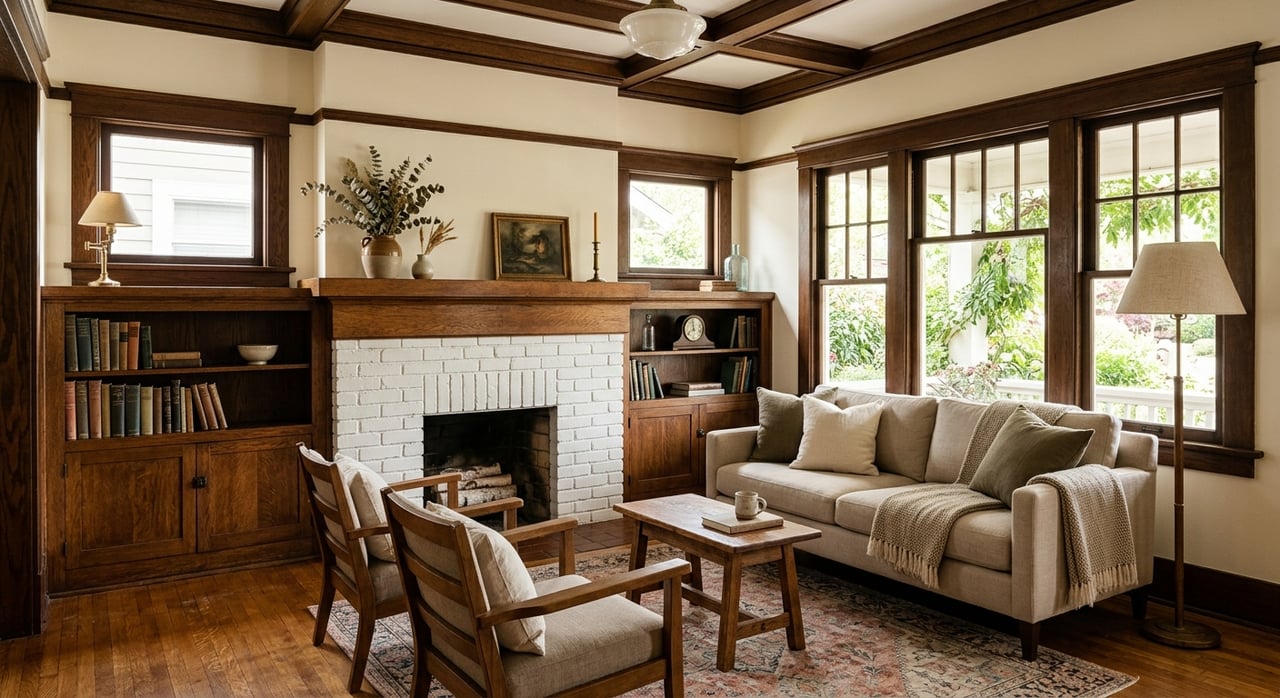
A Virginia-Highland bungalow usually wins buyers over with character, not excess square footage. Broad front porches, welcoming entries, original windows, built-ins, trim, fireplaces, and a compact flowing layout are often part of the appeal. Your staging should draw attention to those details instead of covering them up.
This is not the place for oversized furniture or trendy decor that fights the architecture. A better approach is simple, scaled furnishings, open walking paths, and clean surfaces that let the home’s original features stand out. Buyers should notice the fireplace, the bookcases, the windows, and the porch before they notice the throw pillows.
If you are deciding where to spend time and money, start with the rooms that have the biggest impact. According to the 2025 Profile of Home Staging, the most important rooms to stage are the living room, primary bedroom, and kitchen.
Secondary rooms still matter, but they should support the story rather than compete for attention. In a bungalow, that often means keeping guest rooms, dining spaces, and flex areas simple and easy to understand.
The living room often carries a lot of weight in a bungalow because it shows how the home lives day to day. It is also where architectural details like built-ins, fireplaces, and interior flow are easiest to appreciate.
Use fewer pieces, not more. Choose seating that fits the scale of the room, leave clear paths to adjoining spaces, and avoid blocking windows or built-ins. If the room feels open and bright in photos and in person, buyers are more likely to connect with it.
Your primary bedroom should feel restful, simple, and spacious. That does not mean empty, but it does mean editing down extra furniture, bold patterns, and personal items.
Use bedding, lighting, and a simple layout to create a sense of ease. In an older home where bedrooms may be more modest in size, good staging helps buyers focus on comfort and functionality instead of dimensions alone.
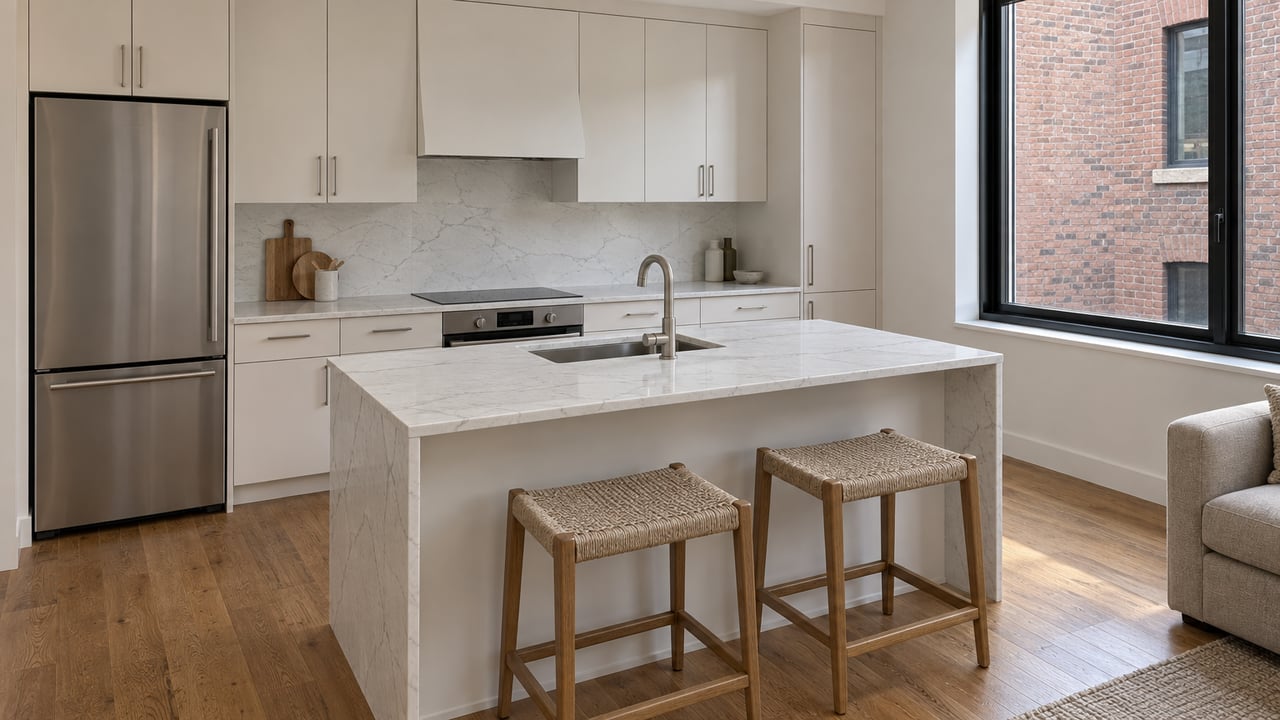
Kitchens matter because buyers tend to imagine daily routines there right away. Even if your kitchen is not newly renovated, it can still show well if it feels clean, bright, and organized.
Clear countertops, reduce visual clutter, and remove anything that makes the room feel cramped. The goal is not to pretend the kitchen is something it is not. The goal is to make it feel move-in ready and easy to live with.
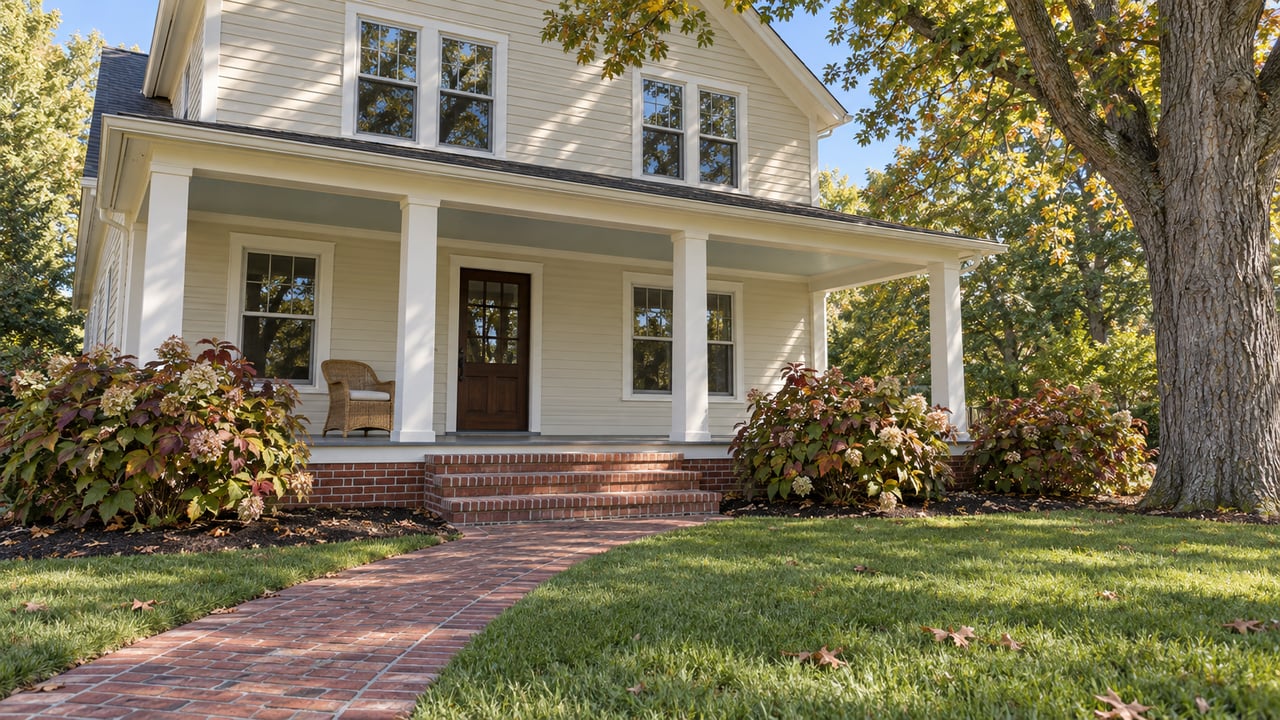
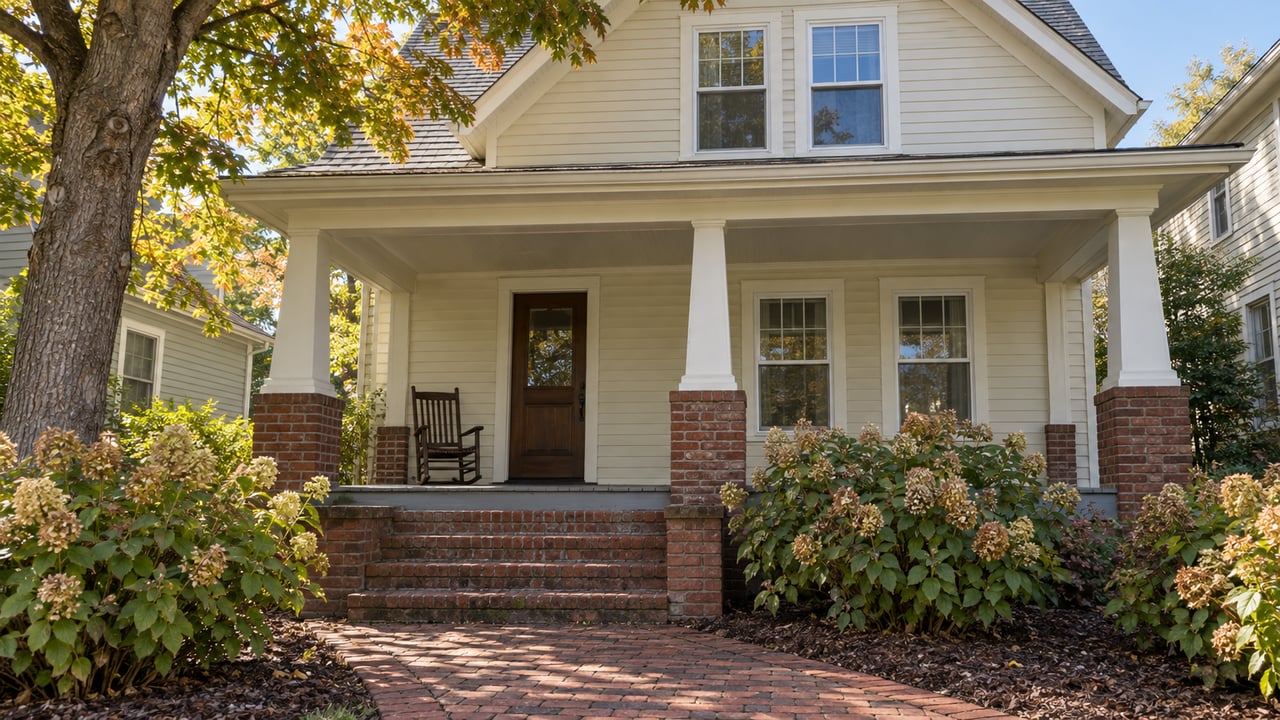
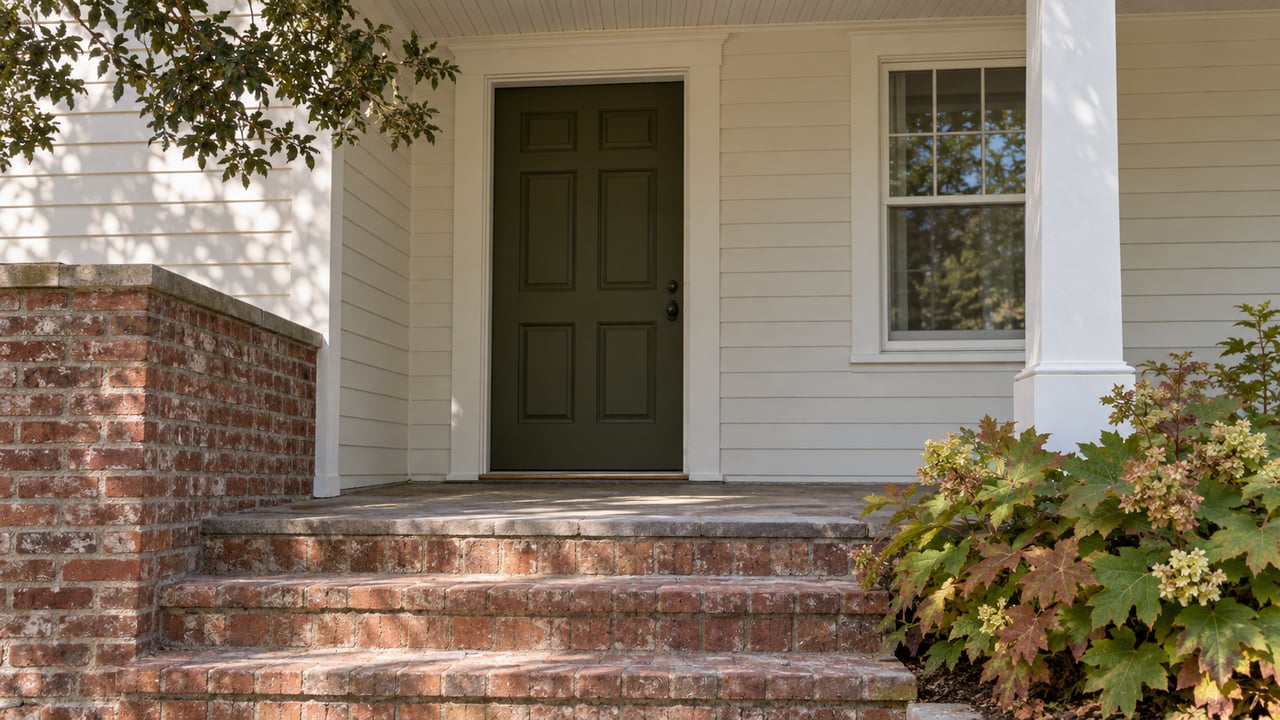
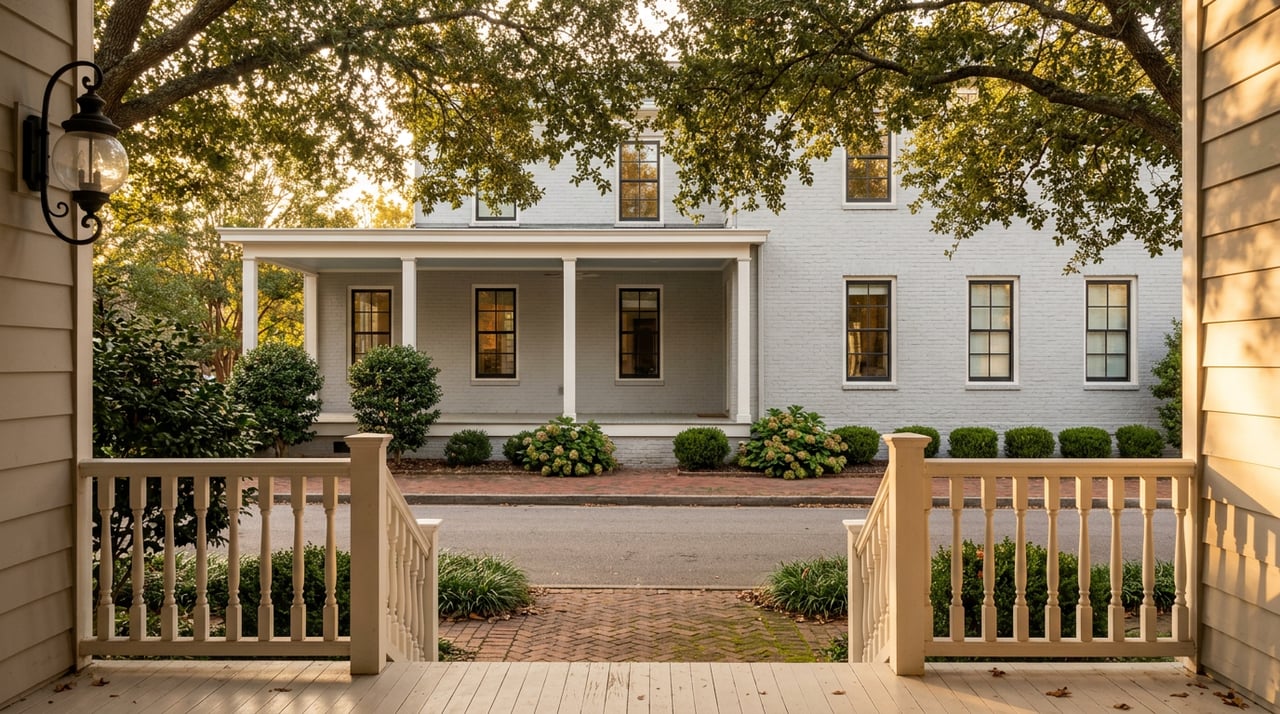
In Virginia-Highland, the porch is not an afterthought. Craftsman bungalow references describe the porch as an integral and welcoming feature, and that matters even more on a tree-lined neighborhood street where curb appeal sets expectations before a buyer walks in.
Your porch should look clean, usable, and proportionate to the house. A few well-scaled seats, a tidy doormat, and a fresh, uncluttered entry can make the home feel inviting right away. If the porch feels neglected, buyers may assume the rest of the house needs the same kind of attention.
Buyers' agents consistently rank curb appeal among the most common pre-listing recommendations. Before photos or showings, make sure the front walk, steps, porch floor, and entry area are clean and neat.
Pay attention to small distractions. Sweep leaves, remove dead plants, straighten house numbers, and make sure the front door area feels polished. In a neighborhood with a strong streetscape identity, these details matter.
Many bungalows have compact, flowing interiors with fewer hard separations between rooms. That layout can feel charming and efficient, but only if the home is staged to support movement and sightlines.
Use furniture that matches the scale of the rooms. Avoid filling every wall or corner, and leave enough open space for buyers to move naturally through the home. When buyers can see how rooms connect, the house often feels larger and more functional.
Light also plays a major role. Pull back heavy window coverings if you have them, clean windows well, and make sure every bulb works. A bright home feels fresher, and it helps original trim, floors, and built-ins show better in photos.
Virginia-Highland buyers are often drawn to homes with a sense of place. Preservation guidance for the neighborhood emphasizes architectural elements like windows, doors, roofs, massing, scale, and streetscape features. That is a good reminder that historic character is part of the value.
If your home has original trim, built-in cabinets, a fireplace, or distinctive windows, stage around those features. Do not place bulky furniture where it blocks them. Let those details carry visual interest, then use neutral styling to support them.
You do not need to strip all personality from the home to make it marketable. In fact, trying to make a historic bungalow feel like a brand-new suburban build can backfire.
Many buyers already expect to make cosmetic changes after purchase. Staging should help them see a clean, well-maintained home with good bones, not a space that has been overworked into something that feels disconnected from the neighborhood.
Not every seller needs a major pre-listing project. Research points to a more practical baseline: declutter, deep clean, improve curb appeal, remove pets during showings, and take care of minor repairs before photography.
That short list goes a long way because it solves the issues buyers notice first. A spotless kitchen, a clean-smelling home, patched scuffs, working light fixtures, and tidy storage areas can improve the overall impression without pushing you into a full renovation.
Here is a simple prep checklist:
Professional staging can be worthwhile, especially if the home is vacant, the layout is tricky, or your current furniture is too large for the space. According to the 2025 Profile of Home Staging, the median cost of using a staging service was $1,500. When the seller’s agent handled the staging themselves, the median cost was $500.
That does not mean every home needs a full staging package. Sometimes a focused consultation and a room-by-room plan are enough to improve photos, showings, and buyer response. The right level of help depends on the home’s condition, occupancy, and price point.
Virtual presentation matters, but it should support the real experience, not replace it. Buyers' agents continue to rate photos, physical staging, videos, and virtual tours as important, while virtual staging alone is seen as less important than other presentation tools.
In practical terms, that means your home should look good both online and in person. If a room looks spacious in photos but feels crowded at the showing, buyers notice. The strongest listing presentation starts with real-world prep, then carries that same look into professional photography.
The best Virginia-Highland staging plan is usually light, intentional, and architecture-aware. You are not trying to erase the age of the home. You are helping buyers see why that age, charm, and layout work so well here.
That often means prioritizing the porch, living room, primary bedroom, and kitchen first. From there, keep everything clean, bright, and easy to understand. When the home feels open, cared for, and true to the neighborhood, buyers have a much easier time picturing their next chapter there.
If you’re getting ready to sell in Virginia-Highland and want a practical staging plan that fits your home and the current market, Ginger Pressley can help you prepare, position, and present your property with a neighborhood-smart approach.
Stay up to date on the latest real estate trends.

For anyone looking to dip their toe into the real estate market, broaden their asset portfolio, or build wealth in real estate, reach out to Ginger to start your journey.