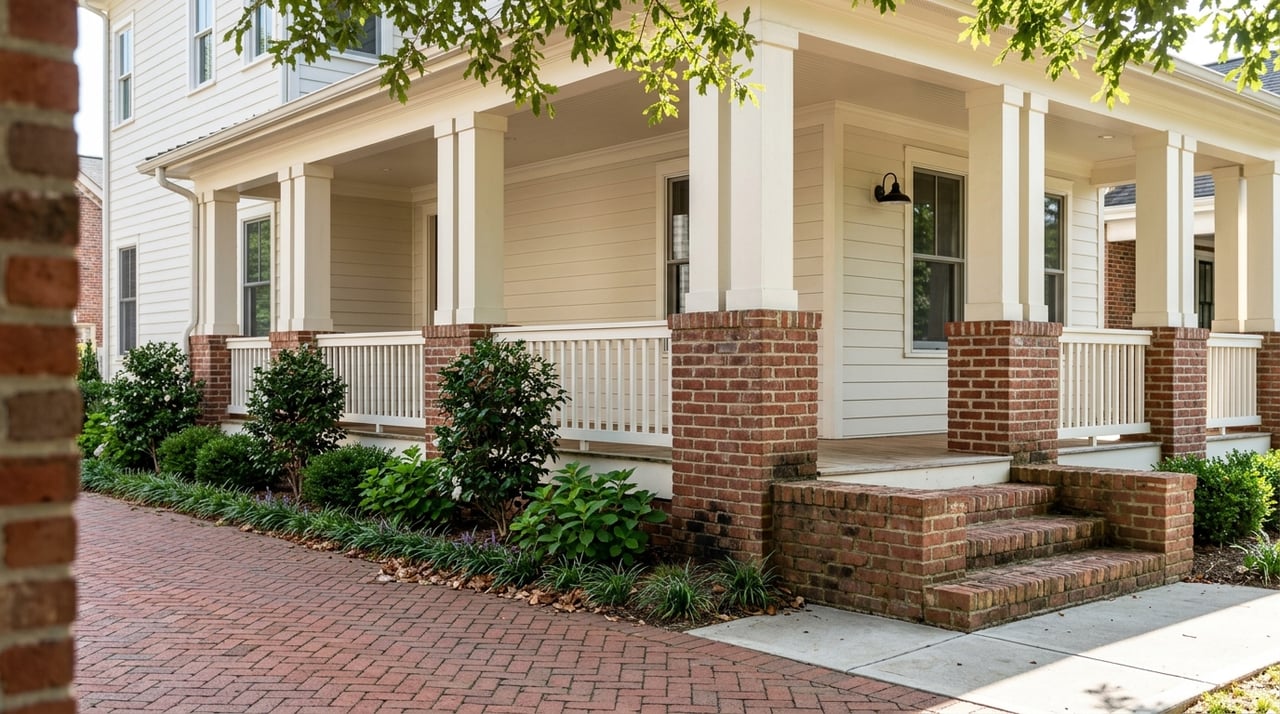
Old Fourth Ward First-Time Homebuyer Guide Before You Buy
May 14, 2026
May 14, 2026
Buying your first home in Old Fourth Ward can feel exciting and a little tricky at the same time. You may love the idea of walkability, parks, and easy access to Atlanta favorites, but you also want to make a smart decision before you commit. This guide will help you understand what first-time buyers should really watch in O4W, from pricing and property types to offer strategy and monthly costs. Let’s dive in.
Old Fourth Ward is one of Atlanta’s best-known intown neighborhoods, and its appeal is tied closely to city living. The area is known for places like the Martin Luther King Jr. Center, Municipal Market, Ponce City Market, Historic Fourth Ward Park, and the BeltLine. That mix gives the neighborhood a strong identity built around convenience, activity, and access.
For you as a first-time buyer, that means the home search may look different here than it would in a more suburban area. In O4W, the tradeoff is often less private outdoor space in exchange for walkability, mixed-use surroundings, and close-in amenities. If that fits your lifestyle, the neighborhood can be a great match.
One of the biggest mistakes first-time buyers make is assuming Old Fourth Ward has one clear price point. It does not. Current market snapshots vary, which is normal because different platforms track different home sets and methods.
Recent data shows that Zillow’s home value index was $393,939 as of March 31, 2026, Redfin reported a median sale price of $476,250 in March 2026, and Realtor.com listed a median listing price of $348,450. Realtor.com also reported 137 homes for sale, with homes selling about 1.27% below asking on average and a median of 55 days on market. In plain English, that suggests a neighborhood with options and room for negotiation, not a one-size-fits-all market.
Old Fourth Ward is currently condo-heavy. Active Zillow inventory shows:
That matters because your first decision may not be where in O4W to buy, but what kind of home fits your budget and daily life.
Current active listings show a broad spread:
That range is why it helps to think in terms of lifestyle fit and total monthly cost, not just sticker price. You may find an entry point into the neighborhood, but the best choice depends on what you need day to day.
In Old Fourth Ward, property type shapes your experience almost as much as location. A condo, townhome, and detached house can each offer a very different version of neighborhood living. First-time buyers should compare the tradeoffs before they fall in love with a listing.
Condos are common in O4W and often appeal to buyers who want easier upkeep and a more lock-and-leave lifestyle. Current listings often highlight features like private balconies or gated access. If your priority is living close to the action with less maintenance, a condo may be your best fit.
That said, condo living usually means paying close attention to HOA dues, parking, storage, and building rules. A unit that looks affordable at first glance may feel different once those monthly costs are added in.
Townhomes can offer more space than a condo while still keeping you close to the neighborhood’s core amenities. They may work well if you want multiple levels, a bit more privacy, or attached parking. In O4W, though, they often come with a higher price point than entry-level condos.
Townhomes can be a strong option if you want urban convenience without fully giving up space. Just make sure the layout works for your actual routine, not just for an open house visit.
Single-family homes in O4W often emphasize driveway space and more private outdoor areas. If parking, storage, or separation from neighbors matters a lot to you, this type may feel more comfortable. But in many cases, the cost of entry is higher, and upkeep is more involved.
For a first-time buyer, a detached home can be appealing, but it also comes with more responsibility. Repairs, yard care, pest control, and maintenance become a bigger part of your budget and your time.
The BeltLine is a major part of Old Fourth Ward’s identity. The Eastside Trail connects nearby destinations including Historic Fourth Ward Park, Thomas Taylor Memorial Skatepark, Piedmont Park, Ponce City Market, and Krog Street Market. For many buyers, that kind of access is exactly why O4W is on the list.
But BeltLine proximity is not just a fun perk. It is also a pricing and livability factor that can shape how a home feels once you move in.
A home near the trail may offer easy walking access to parks, dining, and everyday activity. It may also bring more foot traffic, more noise, and less privacy than you expected. A USDA Forest Service study found that nearby residents perceived BeltLine growth as improving property values, outdoor recreation, and social spaces, while also slightly increasing litter, crime, vandalism, and property taxes.
For you, the practical question is simple: how much activity feels energizing, and how much feels like too much? That answer can change a lot from one block or building to the next.
Historic Fourth Ward Park includes 17 acres of greenspace, a stormwater detention pond, and a skatepark. That nearby park access can make a smaller private outdoor area feel more workable. Still, you should be honest about what you need at home.
If a listing has only a balcony or small terrace, ask yourself whether that is enough. In O4W, buyers often have to weigh private space against location and convenience.
A first-time buyer budget in Old Fourth Ward should go beyond principal and interest. Georgia consumer guidance says buyers should also plan for homeowners insurance, title insurance, county and city property taxes, utilities, appliances, maintenance and repairs, yard care, pest control, and HOA fees when applicable.
That advice is especially important in O4W because condos and townhomes are so common. HOA dues, parking costs, and building-related fees can have a real impact on your monthly payment.
If you are putting less than 20% down, Georgia REALTORS says lenders will typically require FHA, VA, or private mortgage insurance. That means your true monthly cost may be much higher than the listing price alone suggests. In a neighborhood with strong amenities and many attached homes, this can catch first-time buyers off guard.
Before you commit, build your budget around the full carrying cost. That number gives you a much clearer picture of what will feel comfortable after closing.
When you find the right home, you may worry that you need to move fast or waive protections to compete. In many cases, that is not the smartest first-time buyer strategy. In O4W’s current market, a solid, organized offer can be more persuasive than a risky one.
A preapproval letter shows tentative lender willingness and sellers often expect to see one. The CFPB notes that preapprovals typically expire after 30 to 60 days, so make sure yours is current while you shop. If it is outdated, refresh it before you write an offer.
According to Georgia REALTORS, initial offers usually include more than price. Terms often include:
Those details can be worth thousands of dollars. A clean offer with realistic terms can help you compete without overextending yourself.
In Georgia, the due diligence period can function like an option period. During that time, you can terminate for any reason before the deadline, and you can use the window for inspections, financing, appraisals, surveys, and amendments. If that deadline passes, you are generally accepting the property as is.
For a first-time buyer, waiving that period removes an important layer of protection. A better approach is often to keep the window short but real.
The CFPB recommends scheduling an independent inspection as soon as possible and attending if you can. The report may help you negotiate repairs or credits, and the Georgia Attorney General also advises buyers to choose inspectors carefully. On existing homes, closings are typically 30 to 90 days, with a final walk-through before closing.
In a neighborhood with a wide mix of building types and ages, inspection details matter. Even a stylish condo or updated home can have issues that are easy to miss at first glance.
Before you say yes to a home in Old Fourth Ward, slow down and confirm the details that affect daily life. These are often the items buyers notice only after they move in.
Check the following before you commit:
These details can matter just as much as square footage. In O4W, the lifestyle fit is often where a good purchase becomes a great one.
Old Fourth Ward can be an exciting place to buy your first home, but it rewards buyers who stay clear-eyed. The neighborhood offers walkability, parks, mixed-use convenience, and a broad range of housing options, but it also asks you to think carefully about budget, privacy, space, and monthly carrying costs.
If you take the time to compare property types, understand BeltLine tradeoffs, and write a strong Georgia offer with real protections in place, you will be in a much better position to buy with confidence. And if you want a local, organized guide through the process, Ginger Pressley can help you navigate Old Fourth Ward with clear advice and hands-on support.
Stay up to date on the latest real estate trends.




For anyone looking to dip their toe into the real estate market, broaden their asset portfolio, or build wealth in real estate, reach out to Ginger to start your journey.