Avondale Estates Tudor Homes Guide to Local Styles
May 7, 2026
May 7, 2026
What makes Avondale Estates feel so distinct the moment you drive in? For many buyers, it is the rooflines, chimneys, brickwork, and storybook details that give the city its unmistakable character. If you are house hunting here, or getting ready to sell, it helps to understand what sets Avondale Estates apart and how Tudor homes fit into a much bigger architectural story. Let’s dive in.
Avondale Estates was founded in 1924 by George Francis Willis after a trip to Stratford-upon-Avon. According to the city, his goal was to recreate Tudor-Revival architecture, which helped shape the community’s identity from the start.
That history still matters today. Avondale Estates is recognized as the only documented example in the southeastern United States of an early 20th-century planned town, and the city was listed on the National Register of Historic Places in 1986. In simple terms, the exterior character you see here is not just attractive design. It is a core part of what makes Avondale Estates, Avondale Estates.
If you picture Avondale Estates and immediately think of steep gables and old-world details, you are not imagining it. The city’s Phase I historic survey found that English Vernacular Revival, often grouped with Tudor Revival in everyday conversation, was the most common style in the historic core with 81 resources recorded.
That same survey also noted that the original commercial buildings in the Tudor Village fall within this broader English-inspired architectural language. So while buyers often talk about “Tudor homes,” the local identity is really rooted in a wider English Vernacular Revival look that gives the area its cohesive feel.
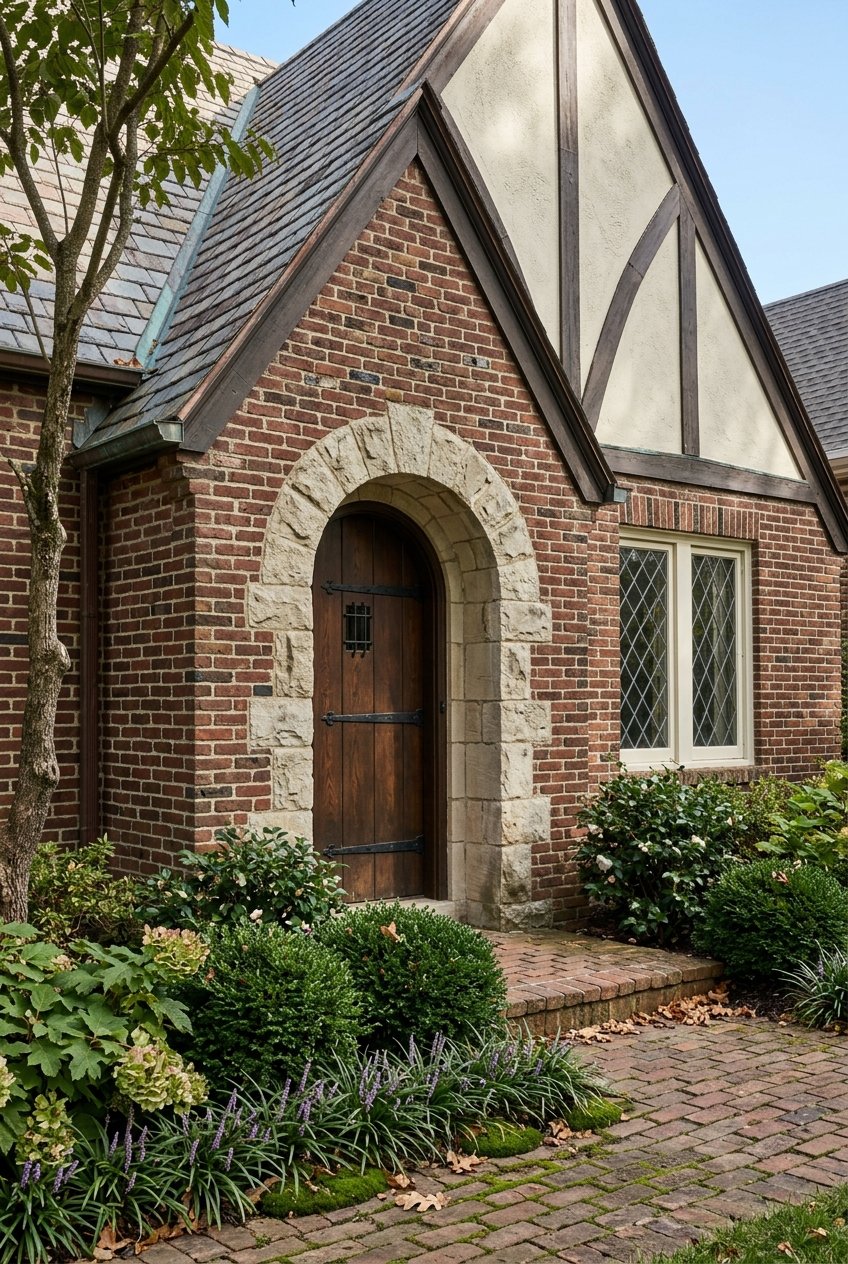
In Avondale Estates, Tudor and English Vernacular Revival homes often stand out because of a few recognizable exterior features:
These details create the storybook look many buyers love. They also help explain why homes in the historic core can feel so visually rich from the street.
Inside, Tudor-influenced homes often feel less formal than a classic Colonial Revival layout. Historic documentation describes Tudor Revival as asymmetrical in both massing and plan, which means the interior flow may feel more varied and individualized from one home to the next.
Compared with a more rigid center-hall Colonial, a Tudor home may feel more picturesque and less predictable. That does not mean every layout is the same, but it does help set expectations if you are comparing older homes in Avondale Estates.
One of the biggest misconceptions about Avondale Estates is that it is all Tudor, all the time. The Tudor influence is strong, especially in the historic core, but the city’s housing stock includes several other important styles too.
That mix is part of the appeal. If you love character homes but want a different layout, roofline, or level of formality, you may have more options here than you expect.
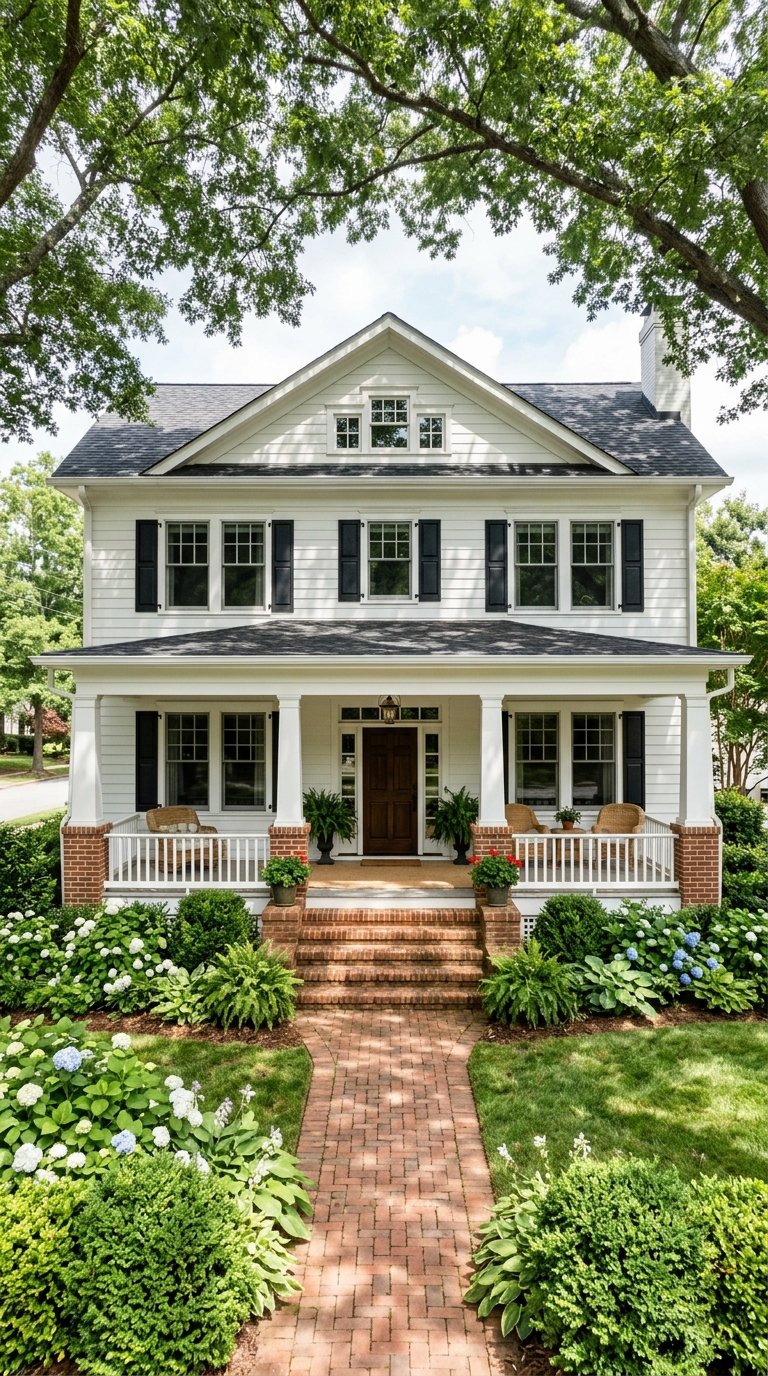
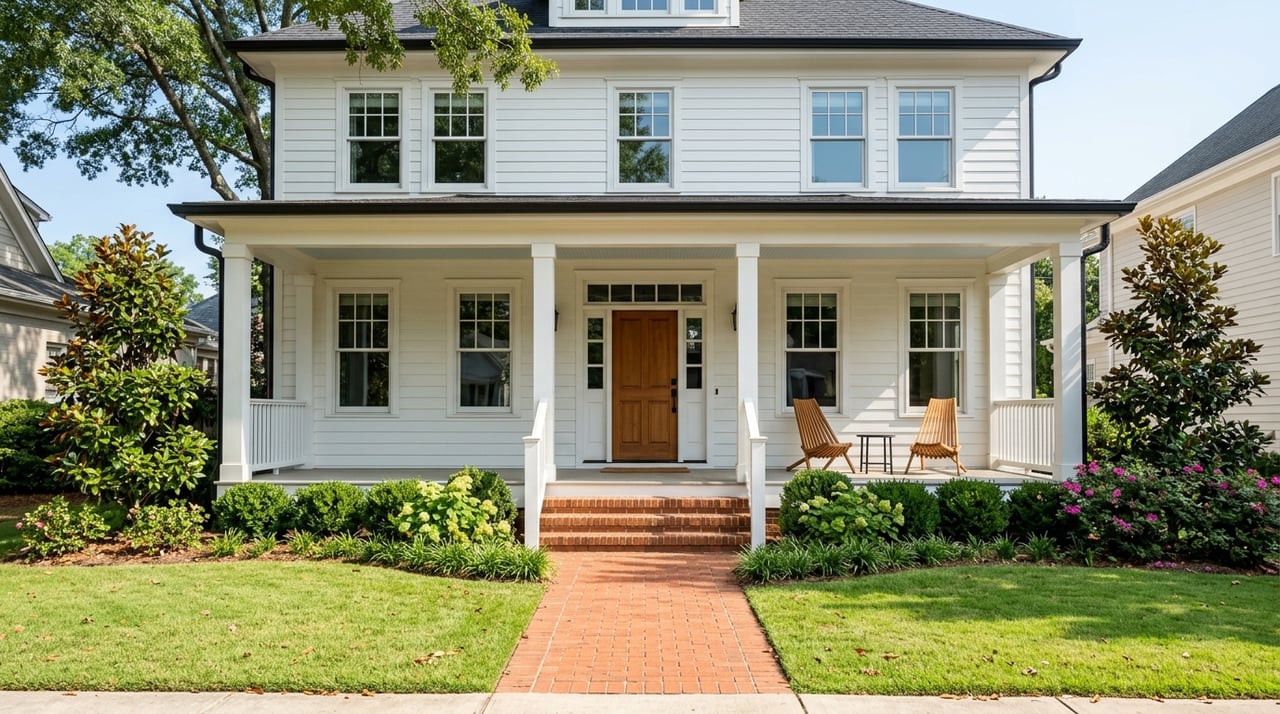
The Phase I survey recorded 46 Colonial Revival buildings, and the Phase II survey added 60 more in the later survey area. These homes typically look more symmetrical than Tudor houses and often feature an emphasized front door with classical detailing and double-hung multi-pane windows.
For buyers, Colonial Revival homes can feel more orderly and balanced from both the outside and the inside. If you like traditional curb appeal and a more formal appearance, this style may stand out to you.
Dutch Colonial Revival is a related style that is easy to spot once you know the key feature. Its hallmark is the gambrel roof, often paired with dormers.
In a neighborhood known for strong rooflines, that shape can make a home instantly recognizable. It offers a different kind of historic character while still fitting naturally into Avondale Estates’ early architectural fabric.
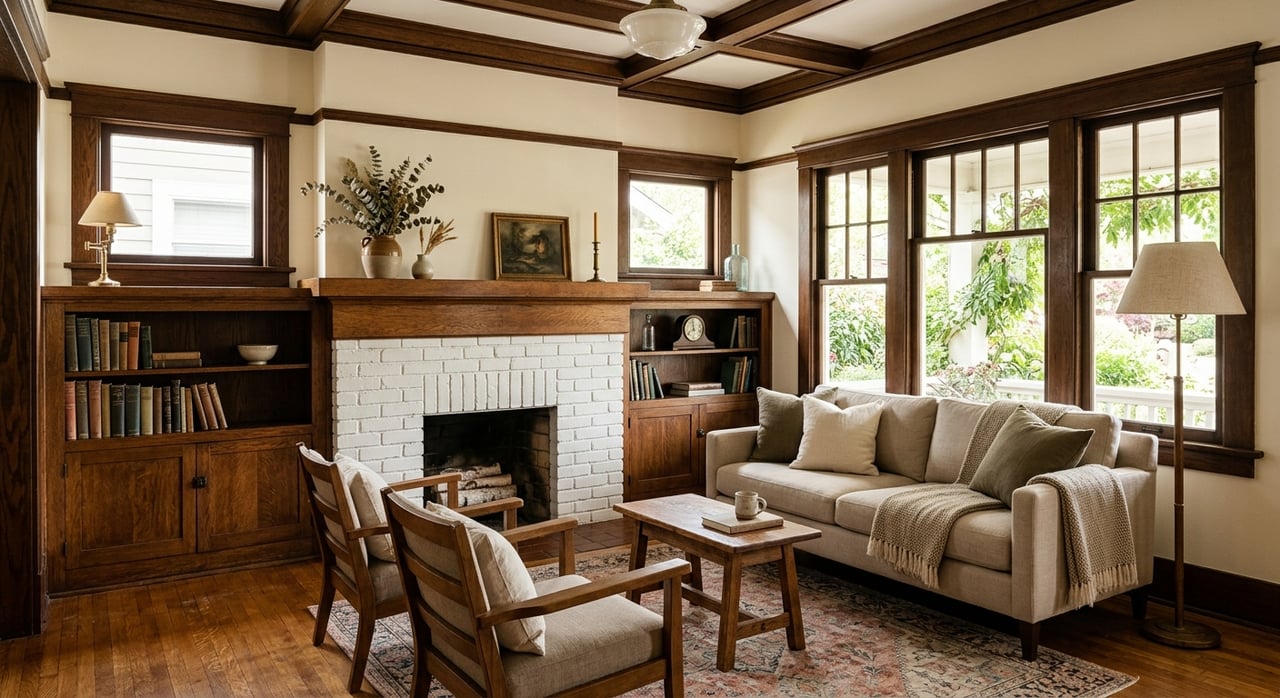
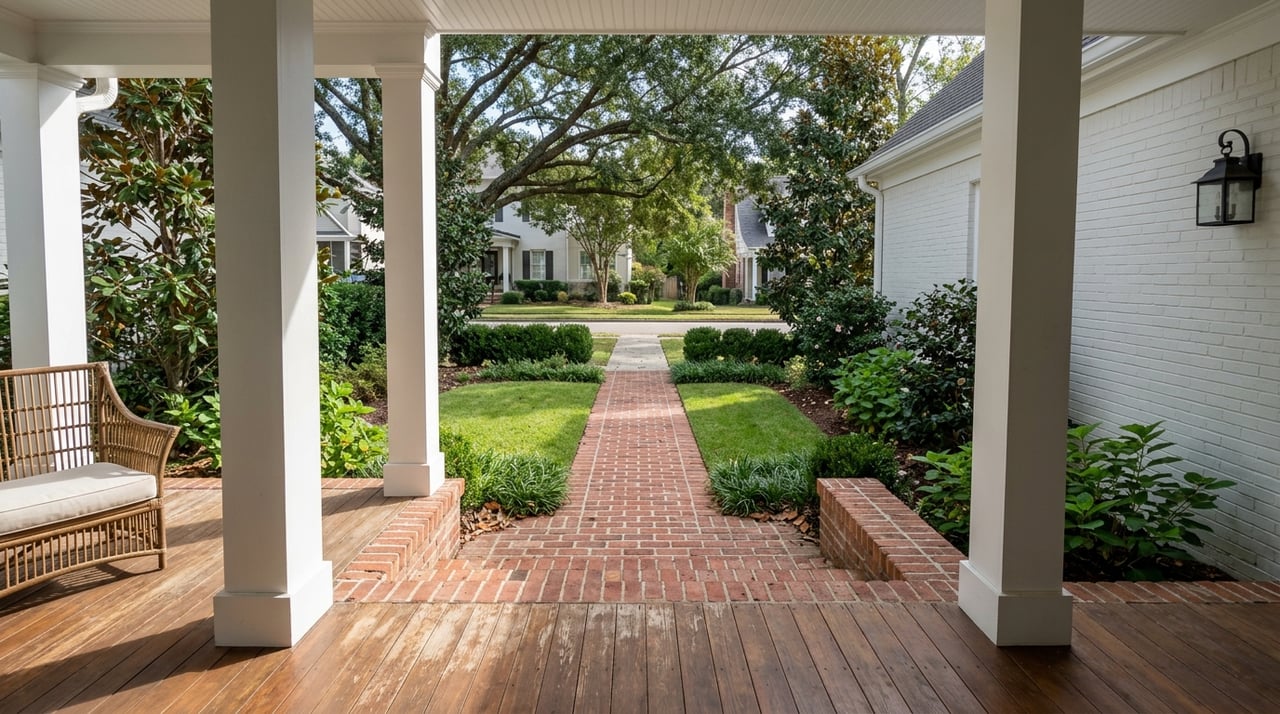
The Phase I survey identified 22 Craftsman homes in Avondale Estates. These homes are generally associated with low-pitched roofs, wide eaves, exposed rafters, generous porches, and natural materials.
Inside, Craftsman homes often emphasize open living and dining areas, built-ins, exposed beams, simple trim, and a close connection between porch spaces and the main living areas. If you prefer a warmer, more casual feel, a Craftsman bungalow may be a great match.
Avondale Estates also includes later postwar development, especially in areas outside the earliest historic core. The city’s Phase II survey shows that these areas are mostly Ranch and Split Level housing, with only a handful of more academic-style examples.
Ranch houses are described as long, low, one-story homes with zoned interior spaces. A center picture window with operable windows on each side is also a common feature. These homes offer a different chapter of the city’s architectural story, one that feels more understated than the earlier Tudor-influenced streetscapes.
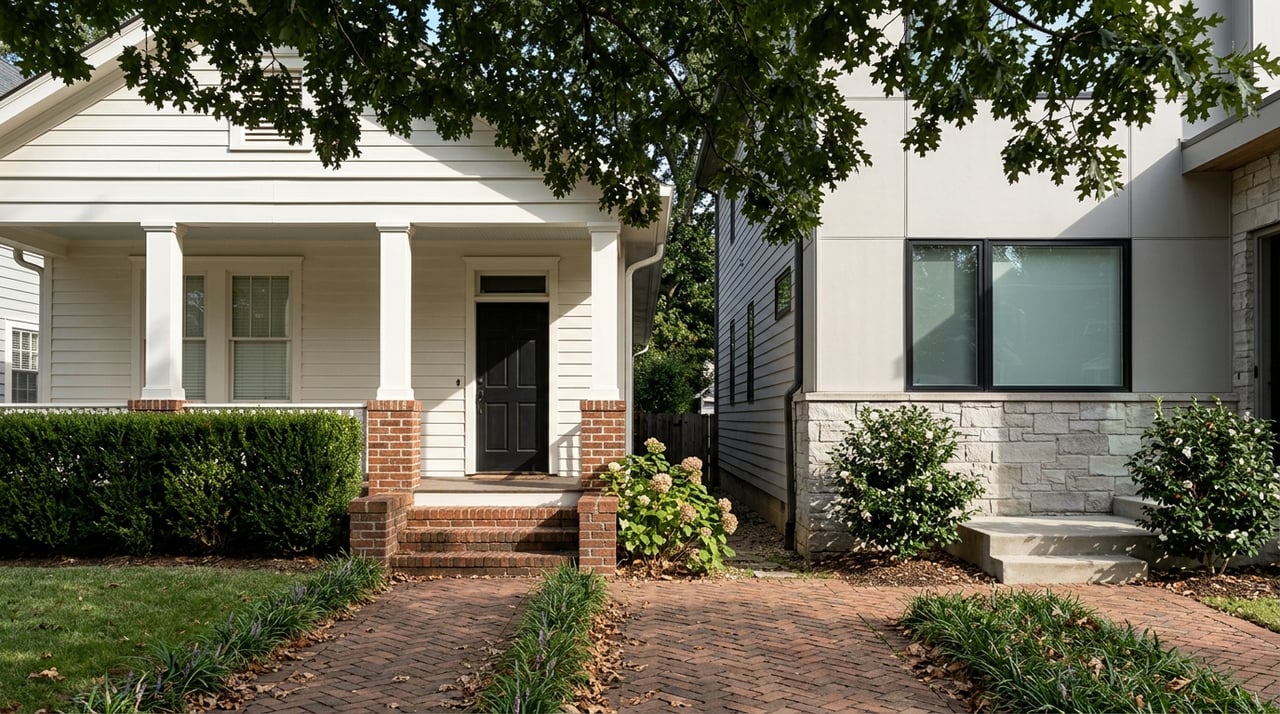
If you are touring homes in Avondale Estates, it helps to focus on a few exterior elements first. The easiest clues are the roofline, windows, chimney placement, porch design, and the mix of exterior materials.
A steep gable and half-timbering may point you toward Tudor or English Vernacular Revival. A symmetrical facade and centered entry may suggest Colonial Revival. A gambrel roof may signal Dutch Colonial, while wide porches and exposed rafters often indicate Craftsman.
In Avondale Estates, style is not just about looks. It can affect how a home lives, what kinds of updates may make sense, and what features buyers tend to notice most.
For example, a Tudor home may attract buyers who value original masonry, distinctive windows, and a dramatic roofline. A Craftsman buyer may focus more on porch presence, built-ins, and the openness of the main living spaces. Knowing the style can help you decide which tradeoffs matter most to you.
If you are preparing to sell in Avondale Estates, your home’s style is part of the marketing story. In a place known for preserved character, features such as original chimneys, windows, porches, masonry, and rooflines can reinforce the look that buyers expect to find here.
That does not mean every house has to be untouched. It does mean that preserving or thoughtfully presenting character-defining features can support the home’s appeal in a market where architectural identity is a real part of buyer interest.
In Avondale Estates’ Local Historic District, exterior changes are not just a design decision. The city states that work such as additions, demolition, door replacements, new construction, renovations, and window replacements must be approved by the Historic Preservation Commission before work begins.
For homeowners, that makes early planning especially important. If you are considering visible exterior work, it is wise to understand the review process before you finalize a scope or budget.
The city’s guidelines emphasize preserving original windows and doors when possible. If replacement is necessary, the guidance points toward matching the original in size, design, and material.
The same general preservation logic applies to other visible features. Rear additions are typically preferred over front-facing changes, and original porches are considered important parts of a home’s historic character.
In a community built around preserved visual character, architectural details can shape first impressions in a big way. Intact rooflines, original masonry, chimneys, porch details, and well-matched windows all help tell a consistent story about the house.
That story can matter at resale because it reinforces what makes Avondale Estates distinctive in the first place. On the other hand, heavy alteration of character-defining exterior details may weaken the look that gives a historic home much of its identity.
If you want the quick version, think of Avondale Estates as a planned historic city with a Tudor-forward core and several strong supporting styles. Tudor and English Vernacular Revival may set the tone, but Colonial Revival, Dutch Colonial Revival, Craftsman, Ranch, and Split Level homes all contribute to the local housing mix.
That variety is good news whether you are buying or selling. Buyers can narrow in on the features and floor plans that fit their lifestyle, and sellers can position their homes more clearly when they understand the architectural language that makes them stand out.
If you want help evaluating a character home, understanding what buyers notice in Avondale Estates, or preparing your home for the market, Ginger Pressley can help you navigate the details with local insight and organized, hands-on guidance.
Stay up to date on the latest real estate trends.

For anyone looking to dip their toe into the real estate market, broaden their asset portfolio, or build wealth in real estate, reach out to Ginger to start your journey.